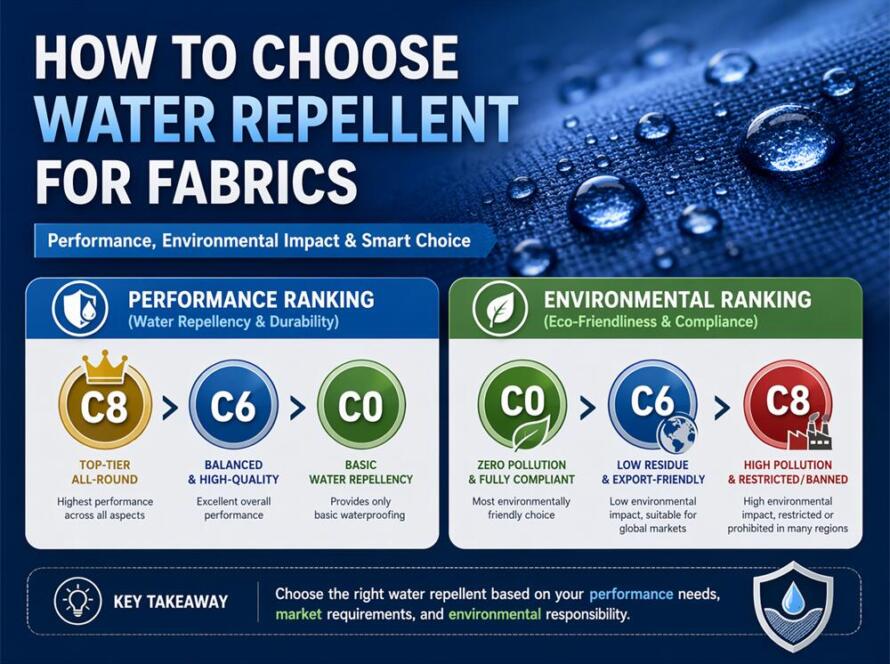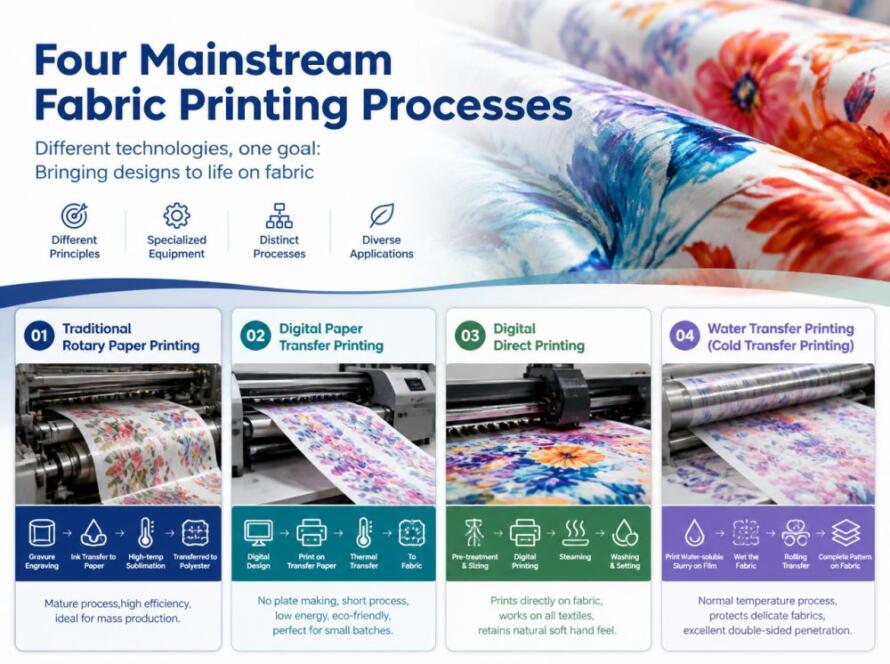
The waterproof treatment of elastic fabrics mainly includes three mainstream technical routes: auxiliary waterproofing, composite film waterproofing, and coated fabric waterproofing. These methods differ greatly in air permeability, hand feel, hydrostatic pressure resistance and applicable scenarios, serving as the core basis for functional fabric selection.
Overview of other waterproof technologies:
— Auxiliary waterproofing technology
— Composite film waterproofing technology
Coated fabric waterproofing stands out in the textile functional industry with stable performance, wide adaptability and cost-effectiveness. Its core principle is to form a dense waterproof film on the fabric surface through physical film formation or chemical modification, blocking the voids between fibers. Finished coated fabrics generally possess hydrostatic pressure resistance, capable of resisting rain erosion and water immersion. The mainstream industrial processes are dry coating and wet coating, plus a modified mini-wet coating optimized for elastic fabrics. With industrial upgrading, the application boundaries of each process have become clear. Currently, coated fabrics are gradually phased out of high-end apparel fabrics and mainly applied in outdoor supplies, home textiles and industrial protection fields.
I. Core Principles and Hydrostatic Pressure Concept of Waterproof Coated Fabrics
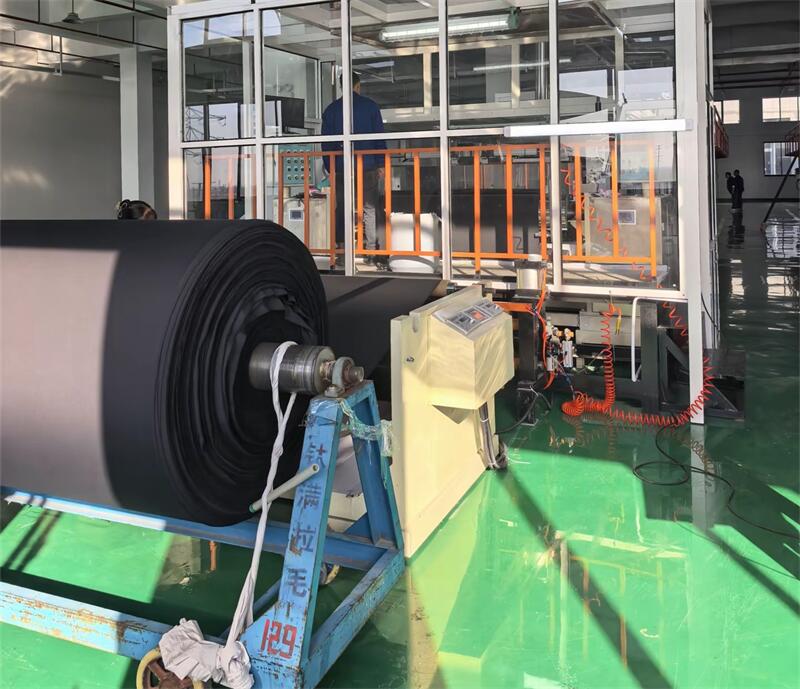
The core logic of coated fabric waterproofing is “pore sealing, water blocking and controllable moisture permeability”. Polymer coating slurry covers the fabric surface and fills fiber gaps to fundamentally solve water penetration problems. Differences in film formation and solvent treatment divide the technology into two mainstream industrial processes: dry coating and wet coating, whose performance gaps are mainly determined by internal film structure.
1. Principle of Dry Coating Process
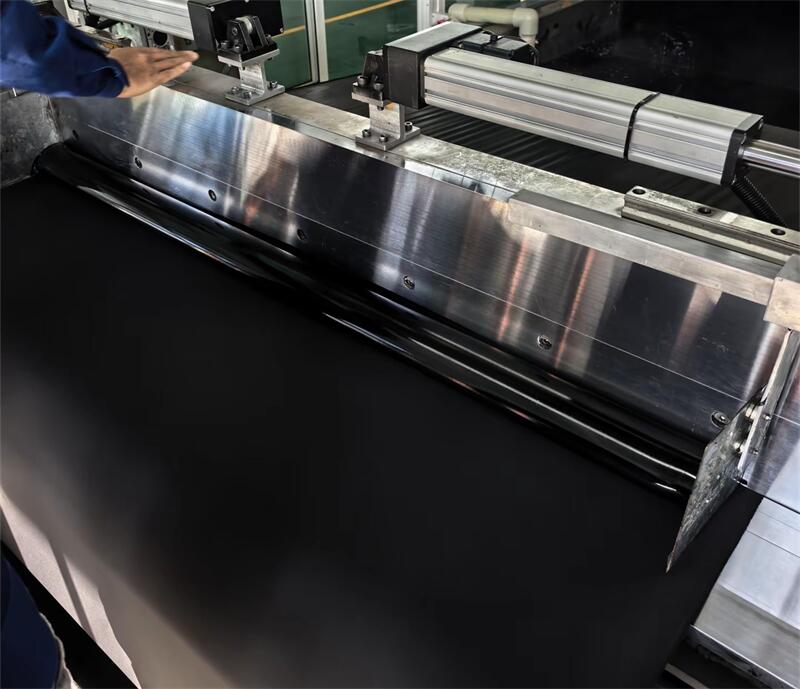
Dry coating is a traditional and simple process without complex phase inversion reaction. The waterproof coating agent and additives are mixed with conventional solvents to prepare uniform slurry, which is evenly scraped or roller-coated on the fabric surface. Subsequent high-temperature drying volatilizes solvents and cures the slurry into a solid, dense waterproof film. This process features short production cycles and high output with uniform coating thickness. The finishedcoated fabric has strong film adhesion, excellent wear resistance and aging resistance. Its main disadvantage is the non-porous film structure, resulting in stiff hand feel and poor air permeability.
2. Principle of Wet Coating Process
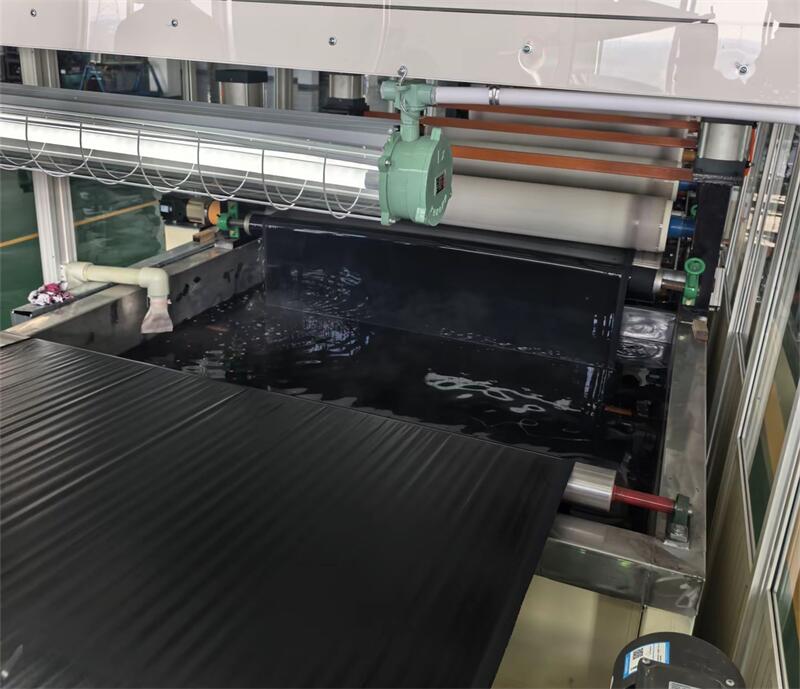
Wet coating adopts a solvent phase inversion mechanism to balance waterproof performance and moisture permeability. Polymer materials are dissolved in special organic solvents to make coating slurry. After coating, the fabric is soaked in water for solvent replacement instead of direct high-temperature drying, forming uniform micro-pores inside the coating before final shaping. The micro-porous structure blocks liquid water molecules while discharging gaseous sweat molecules, enabling coated fabrics to achieve reliable waterproof performance and comfortable wearing breathability.
3. Concept of Fabric Hydrostatic Pressure Resistance
Hydrostatic pressure resistance (unit: mmH₂O) is the core index to evaluate the waterproof grade of coated fabrics, referring to the maximum vertical water pressure a fabric can withstand without water seepage. Higher values represent better waterproof stability. Ordinary water repellent finishing has no hydrostatic pressure resistance and only provides surface water slipping. Conventional coated fabrics feature a hydrostatic pressure of 3000–8000mm, resisting heavy rain scouring; high-end wet-coated and thick dry-coated fabrics can exceed 10000mm, adapting to high-intensity outdoor waterproof scenarios.
II. Special Coating Technology for Elastic Fabrics, Application of Lightweight Fabrics and Practical Cases
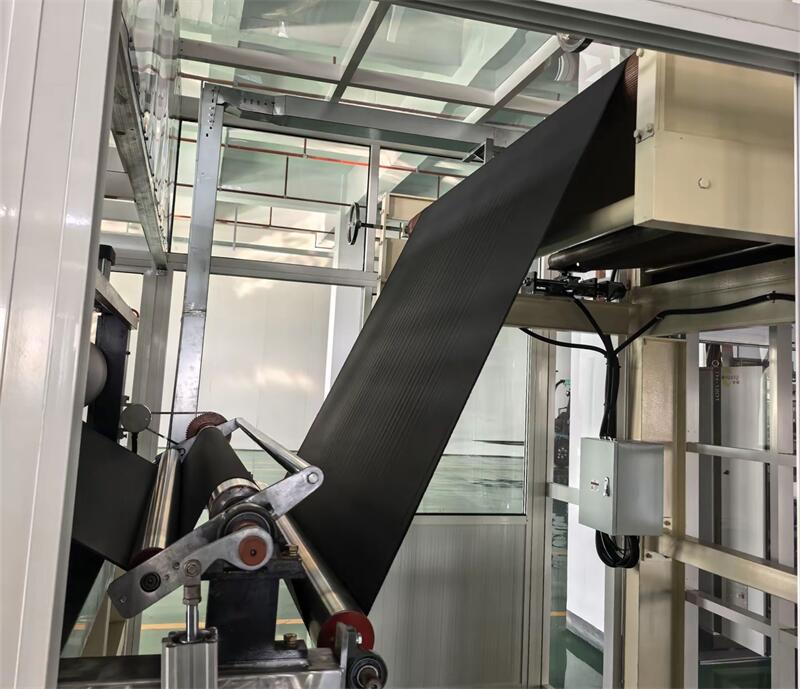
Conventional dry and wet coating processes restrict fiber deformation and damage the resilience of elastic fabrics. The industry has developed the improved mini-wet coating process, the optimal waterproof solution for lightweight elastic coated fabrics that balances flexibility, resilience and stable waterproof performance.
The mini-wet coating process simplifies the solvent replacement procedure of traditional wet coating and adopts flexible lightweight coating slurry. The cured high-elastic micro-porous film maximally retains the warp and weft elasticity of the fabric with soft texture, crack resistance and stable hydrostatic pressure, suitable for various low-elastic and lightweight elastic fabrics.
Key note: Four-way stretch fabrics rarely adopt coated fabric waterproofing. The bidirectional elastic characteristics of four-way stretch fabrics require high flexibility. Even mini-wet coating will cause slight rigid restraint, resulting in severe loss of warp elasticity and stiffened texture. Therefore, four-way stretch fabrics mainly adopt composite finishing or padding finishing instead of coating technology.
Mini-wet coating is mainly applied to lightweight elastic fabrics including 20D nylon taffeta, 30D twisted nylon four-way stretch fabric, high-elastic polyester pongee and lightweight check fabrics. The finishedcoated fabrics achieve a hydrostatic pressure of 1000–2000mm with ultra-light weight. Practical case: A domestic outdoor brand applies mini-wet coating on 20D lightweight nylon taffeta coated fabrics to manufacture summer outdoor sun protection clothing and lightweight down liner fabrics. The coated fabrics maintain stable waterproof performance after 10 washes with original soft elasticity and no stiffening or caking.
III. Mainstream Fabrics, Application Scenarios, Typical Cases and Industry Trends of Coated Fabric Waterproofing
1. Applicable Fabrics, Application Scenarios and Practical Cases
Coated fabrics are applicable to stable, non-deformable non-elastic/low-elastic woven chemical fiber fabrics, mainly including polyester oxford fabric, polyester pongee, taslan, plain nylon fabric and shading chemical fiber fabrics. These substrates feature strong coating adhesion and high waterproof durability.
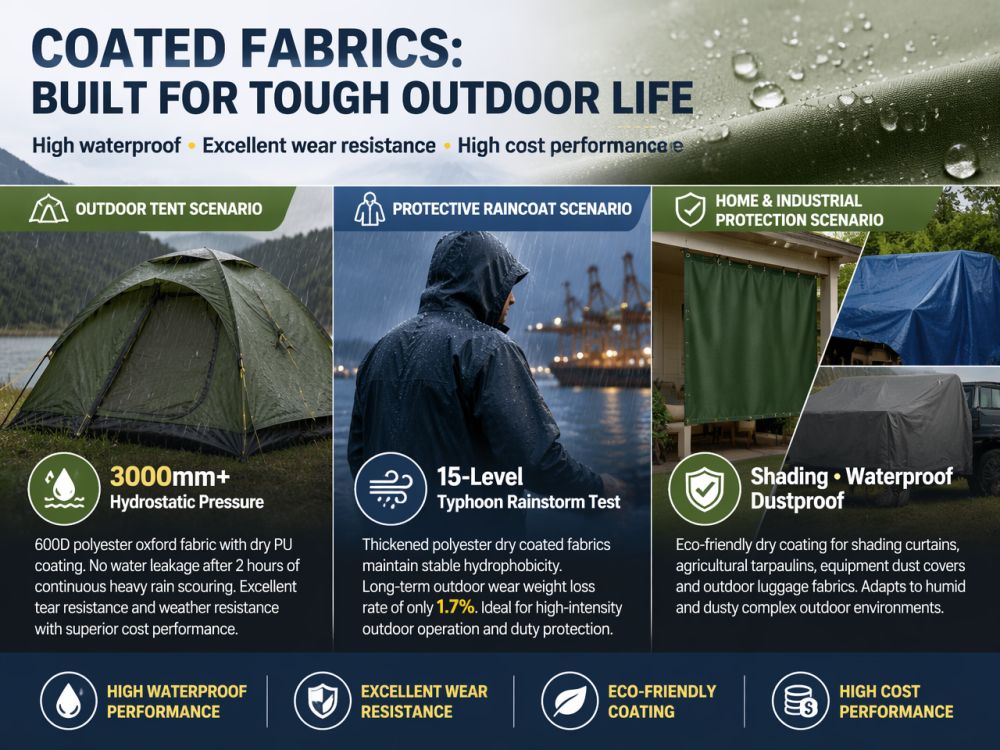
Currently, coated fabrics have withdrawn from high-end apparel fields and are mainly used in three major scenarios: outdoor supplies, home protection and industrial protection. These scenarios have low requirements for softness and elasticity, perfectly matching the advantages of coated fabrics such as high waterproof performance, excellent wear resistance and high cost performance. Typical cases are as follows:
Outdoor Tent Scenario: 600D polyester oxford fabric with dry PU coating is a universal material for outdoor camping tents. The finishedcoated fabric achieves a hydrostatic pressure of over 3000mm, with no water leakage after 2 hours of continuous heavy rain scouring in actual tests. It features excellent tear resistance and outdoor weather resistance with much higher cost performance than composite fabrics.
Protective Raincoat Scenario: Standard protective raincoats adopt thickened polyester dry coated fabrics. Tested under 15-level typhoon rainstorms, the coated fabrics maintain stable surface hydrophobicity with a long-term outdoor wear weight loss rate of only 1.7%, suitable for high-intensity outdoor operation and duty protection.
Home and Industrial Protection Scenario: Shading polyester coated fabrics with eco-friendly dry coating are made into household waterproof shading curtains with integrated shading, waterproof and dustproof functions. 300D oxford coated fabrics are widely used in agricultural tarpaulins, equipment dust covers and outdoor luggage fabrics, adapting to humid and dusty complex outdoor environments.
Special Protection Scenario: Military protective fabrics adopt aramid blended base cloth with gradient wet coating. The customized coated fabrics realize low-temperature tear resistance at -40℃, a maximum hydrostatic pressure of 15000mm and excellent moisture permeability, meeting the extreme requirements of field operation protection.
2. Core Industry Development Trends
With the iteration of textile functional technology, traditional coated fabric waterproofing has been completely replaced by composite fabric technology in mainstream apparel manufacturing. Traditional coated fabrics have stiff hand feel, limited air permeability and potential environmental risks, failing to meet the high standards of high-end apparel for skin friendliness, high moisture permeability and environmental harmlessness.
Fabric composite technology forms waterproof and breathable structures through “base fabric + waterproof breathable film” lamination, featuring soft texture, balanced waterproof and moisture permeability, and zero harmful residues, which has become the mainstream choice for outdoor functional apparel. In contrast, coated fabrics are further specialized in non-apparel fields. Driven by environmental upgrading, high-pollution traditional dry and wet coating processes are being phased out, while fluorine-free, low-VOC and water-based eco-friendly coating technologies have become the mainstream development direction of the industry.
IV. Comprehensive Comparison of Dry and Wet Coating Processes for Coated Fabrics
Dry and wet coating processes have significant differences in functionality, environmental performance, cost and applicable scenarios, forming differentiated application ranges for coated fabrics:
1. Functional Comparison
Dry Coated Fabric: The solid non-porous film provides excellent waterproof tightness with a hydrostatic pressure of 8000–12000mm, outstanding immersion resistance, wear resistance and aging resistance, and long service life. The disadvantages are poor air permeability, stiff hand feel and zero tensile toughness, making it completely inapplicable for elastic fabrics.
Wet Coated Fabric: The micro-porous film structure balances waterproof performance and moisture permeability with soft and lightweight texture and slight tensile toughness. Conventional hydrostatic pressure ranges from 3000–5000mm, meeting most daily waterproof needs. The main drawback is weaker scratch and wear resistance; long-term friction and sun exposure will cause micropore blockage and gradual attenuation of waterproof performance.
2. Environmental Performance Comparison
Dry Coating Process: Traditional dry coating consumes a large amount of organic solvents, resulting in high VOC emissions and residual risks with great environmental pressure. The new water-based dry coating improves environmental performance but slightly reduces waterproof stability of coated fabrics.
Wet Coating Process: Traditional DMF solvent wet coating features high pollution and high post-processing costs. The currently popular fluorine-free and water-based wet coating technologies achieve high solvent recovery rate, zero harmful residues and low waste emissions, with better overall environmental compliance than dry coating for coated fabrics.
3. Advantages, Disadvantages and Applicable Scenarios
Dry Coated Fabric: Advantages include simple process, high productivity, low cost, excellent waterproof performance and stable quality. Disadvantages are stiff texture, zero air permeability and poor environmental performance of traditional processes. It is suitable for dust covers, industrial tarpaulins, thick waterproof raincoats, shading curtains and other scenarios with low requirements for softness and air permeability.
Wet Coated Fabric (Including Mini-Wet Coating): Advantages include soft texture, excellent air permeability and moisture permeability, good environmental performance and adaptability to lightweight low-elastic fabrics. Disadvantages are complex process, high production cost and average wear and aging resistance. It is applied to mid-to-high-end outdoor protective supplies, lightweight waterproof materials and flexible protective coated fabrics that require both waterproof performance and comfort.
V. Conclusion
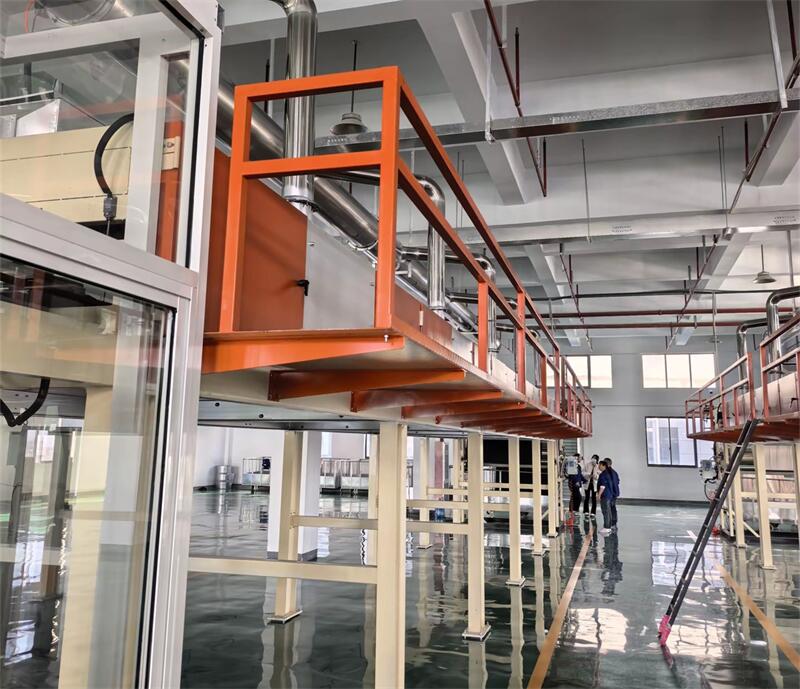
Coated fabric waterproofing is a mature and stable functional finishing technology. Dry coating focuses on high waterproof performance, excellent wear resistance and cost efficiency, while wet coating and modified mini-wet coating focus on soft breathability and lightweight elastic fabric adaptation, building a differentiated application system for coated fabrics. Verified by practical cases, coated fabrics occupy a stable market share in outdoor, home and industrial protection fields due to strong environmental adaptability. With environmental upgrading and refined technological iteration, lightweight, water-based and low-consumption technologies will be the core development direction of coated fabric waterproofing, forming a long-term complementary pattern with composite fabrics for apparel use.