
Laminated Fabric Manufacturer —
TPU & ePTFE Membrane Bonding In-House
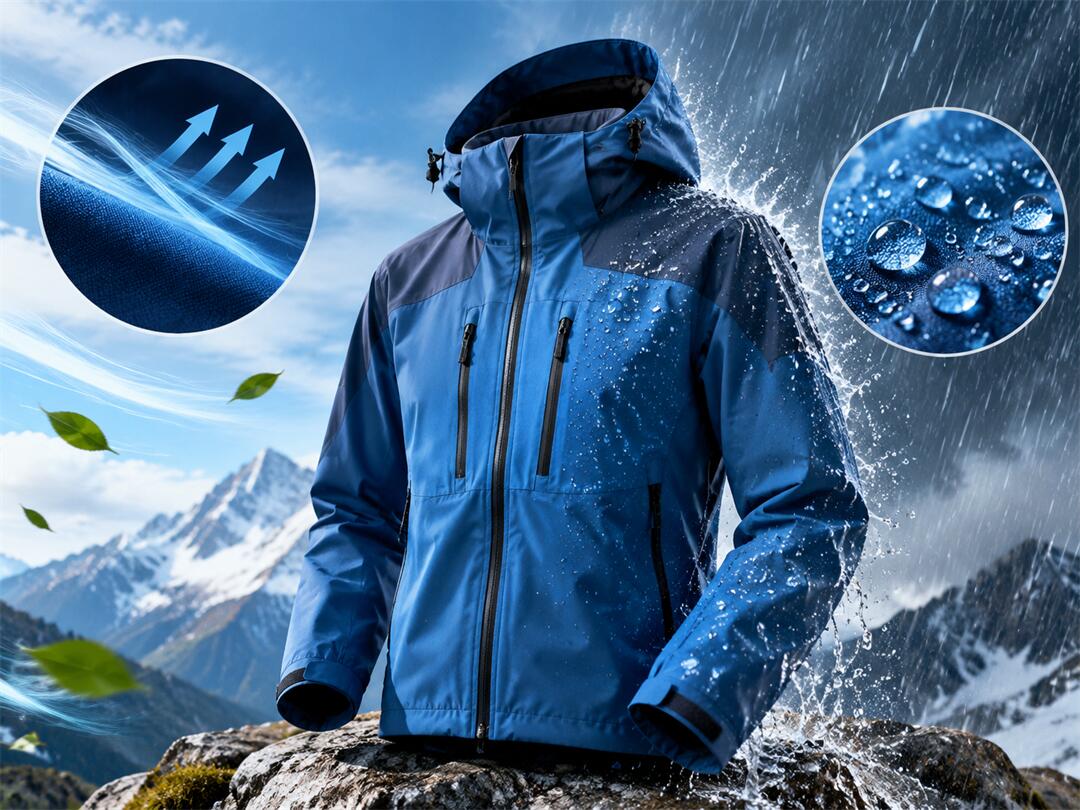
Waterproof breathable fabric, bonded and finished in our own lamination line: face fabric plus TPU or ePTFE membrane, in 2-layer and 3-layer builds for jackets, hardshells and outdoor programs. We source the base fabric, run the bonding, test the water pressure and moisture permeability in-house — one supplier from greige to finished laminated fabric.
Laminated Fabric
Waterproof Breathable
TPU & ePTFE
What We Laminate — Any Base Fabric, One Line
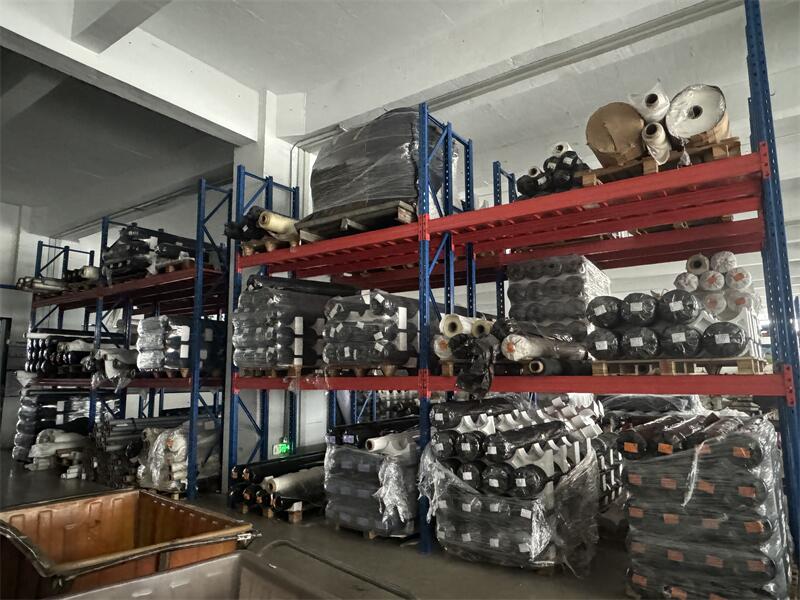
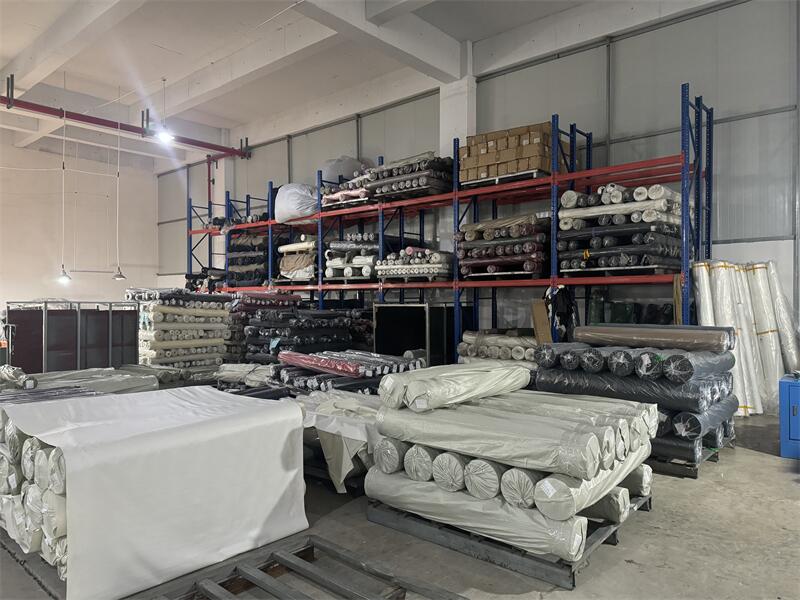
Lamination is the step that turns a good fabric into a functional one. Jacket brands come to us for finished waterproof breathable fabric; overseas fabric traders buy laminated rolls ready for their cutting floor. As a laminated fabric manufacturer with weaving, dyeing and bonding under one roof, we ship from greige to finished roll — nobody sends material halfway around the world for processing.
The base fabric decides more than the membrane does
A laminated fabric is a system, not a coating. The membrane sets the theoretical ceiling of water pressure; the face fabric sets the look and abrasion; the base fabric decides how much of that ceiling survives washing. A warp-knit mesh base holds the membrane flat and keeps a 10,000 mm rating close to spec after repeated laundering, while a fleece base trades 10–30% of measured water pressure for warmth and skin feel. We match all three layers against your end use before quoting — the full reasoning is in our guide to stretchable waterproof composite fabric.
Base fabrics we laminate in volume
Because the weaving mill comes first, most programs start from our own looms: T400 / T800 mechanical stretch woven, polyester 4-way stretch and nylon 4-way stretch series, oxford and taslan shells, plus warp-knit mesh, bird-eye and fleece for the inner layer. Need a base fabric woven to your own construction instead of picking from the range? That runs through our custom woven fabric development line. Have your own base fabric? Send it in — the bonding line takes outside greige too.
Membrane theory, adhesive chemistry and the outdoor-jacket standards behind these choices are covered in depth in our lamination fabric guide; this page is about what we run on the line — and why a laminated fabric from a mill that also weaves the base behaves differently from a trade-bonded roll.
Laminated Fabric · Basic Data
| Spec | Value |
|---|---|
| Structures | 2-layer · 3-layer |
| Face fabrics | Polyester / nylon / T400 stretch fabric, oxford, taslan, pongee |
| Base / lining | Tricot, floating yarn, polar fleece, single jersey |
| Membranes | TPU film 0.008–0.025 mm · ePTFE (white) |
| Membrane colours (TPU) | Transparent / white / black |
| Bonding | PUR hot-melt lamination · solvent-base adhesive lamination |
| Key functions | Waterproof, moisture permeable, windproof, warm (fleece builds) |
Two Builds — 2-Layer & 3-Layer
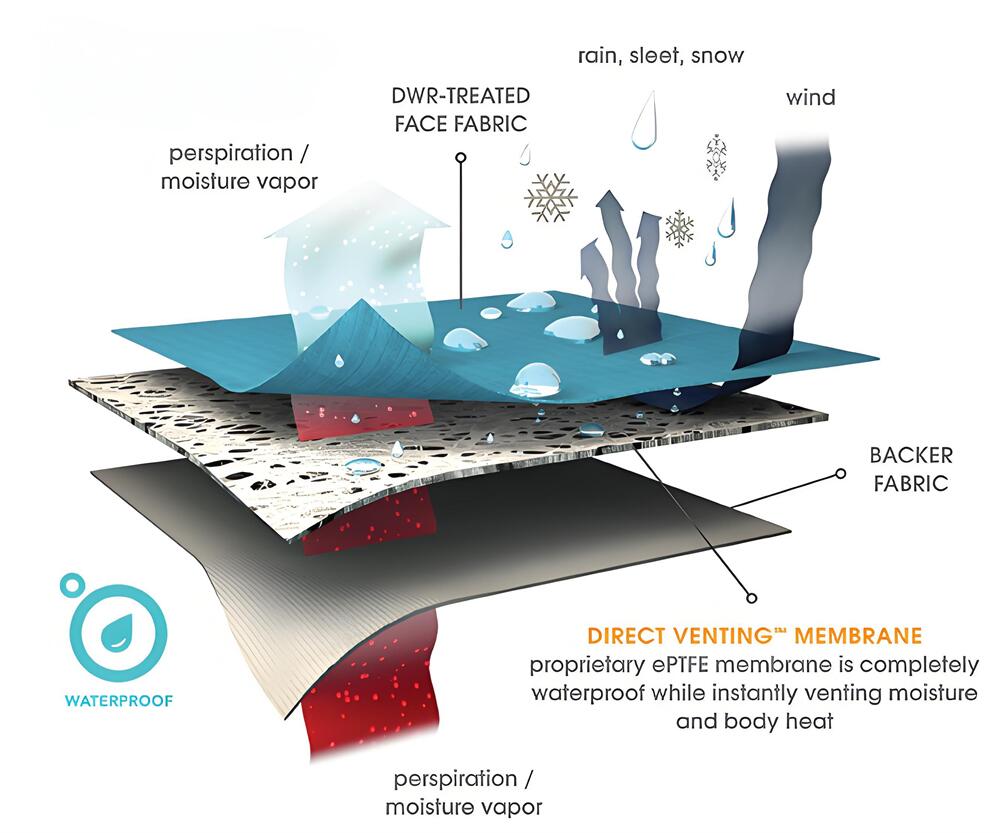
Lighter and lower cost. The membrane is the innermost layer, so garments are built with a separate lining to protect it. Hand is slightly stiffer.
Face for wear and shape, membrane for waterproof and moisture permeability, base fabric to protect the membrane and keep skin contact friendly. Better wash durability — the standard for outdoor functional garments.
TPU & ePTFE — Choosing the Membrane
The membrane is where waterproof and moisture permeability live in any laminated fabric. We run two families: TPU film for the volume programs and ePTFE for premium builds that need true air permeability. The membrane science behind this table is in our lamination fabric guide.
| TPU Tier (typical pairing we run) | Water Pressure (mmH₂O) | Moisture Permeability (g/m²·24h) | Typical Use |
|---|---|---|---|
| Low-permeability build | 3000 | 500 | Light-rain shells, liners, value outerwear |
| Mid-permeability build | 5000 | 3000 | Daily outdoor jackets, workwear, school wear |
| High-permeability build | 8000 | 5000 | Hiking hardshells, heavy-rain programs |
Reference pairings only — the measured rating moves with base fabric density and with the TPU film thickness we select between 0.008 mm and 0.025 mm. TPU film runs in transparent, white and black. TPU costs less than ePTFE and has no true air permeability — it passes water vapour (moisture permeability), not air.
| ePTFE Build | Air Permeability | Oil Resistance | Trade-Off |
|---|---|---|---|
| Single-component membrane | Best — true air-permeable comfort | None — oils destroy the membrane | Keep away from grease, cosmetics, heavy soiling |
| Double-component membrane | Lower | Oil-resistant protective layer | The protective layer costs some permeability |
“Breathable” and “moisture permeable” are not the same thing
Moisture permeability moves water vapour through the membrane by diffusion — sweat evaporates and escapes. Air permeability lets air flow straight through the fabric. TPU is a dense, non-porous film: excellent moisture permeability per price, zero airflow. ePTFE is a microporous membrane: vapour and air both pass. If your spec sheet lists an air-permeability requirement, that is an ePTFE conversation — tell us which standard you test against and we will match the membrane.
Wash behaviour: the honest picture
A correctly bonded TPU laminate holds its rating wash after wash — performance stays nearly flat until the membrane itself is physically damaged. ePTFE behaves the same; its failure mode is not washing but pore contamination from oils and detergent residue, which is exactly what the double-component build is for. This is why the bonding process (next section) matters as much as the membrane choice.
Two Bonding Routes, One Spec-First Workflow
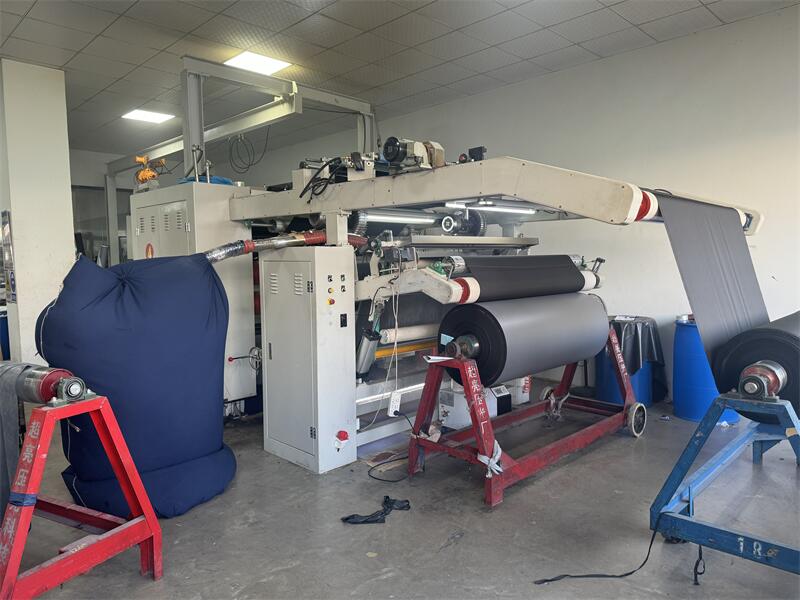
For garment fabrics we run the two mainstream bonding methods behind every garment-grade laminated fabric — PUR hot-melt and solvent-base adhesive. Other lamination techniques (flame, foam) serve non-apparel uses and are not part of our garment line. The sequence below is what a roll goes through on our line.
PUR Hot-Melt Lamination
Polyurethane reactive hot-melt applied in dots, then cured by humidity after pressing. No solvent, no VOC question in the finished roll, and the cured bond resists washing and dry cleaning far better than wet glue — this is the route behind durable 3-layer hardshell programs. Dot pattern and adhesive dosage are tuned per article to balance bond strength against moisture permeability.
Typical output: the durable, wash-stable bond for 3-layer jackets and any program that must survive repeated laundering.
- Membrane prep
- Corona pretreat
- Dot gluing
- Hot-press bonding
- Cure & test
Solvent-Base Adhesive Lamination
Solvent-borne adhesive applied and tack-dried before pressing — a mature, fast route with a softer initial hand and a lower processing cost. It remains a mainstream choice for garment fabrics where the wash cycle is milder or the price point is tight. We quote it honestly against PUR: if your program will see industrial laundering, we will tell you to go route A.
Typical output: value 2-layer builds, liners and mid-market outerwear where bonding cost is decisive.
- Adhesive coating
- Tack drying
- Lamination
- Flash-off
- Test & roll
Inside the Bonding Line
Spec-first sampling — how we land on 3000, 5000 or 8000
Membrane grade is judged by experience against your target: which test standard you test under, what water pressure and moisture permeability you need, what the base fabric density will allow. We pick a starting film thickness, laminate a sample, test it in-house, and read the two ways a first sample can miss: rating short of spec, or needlessly over spec (a thinner, cheaper, softer film does the same job). Two rounds of adjustment usually land the final membrane.
In-house test, then your third-party report
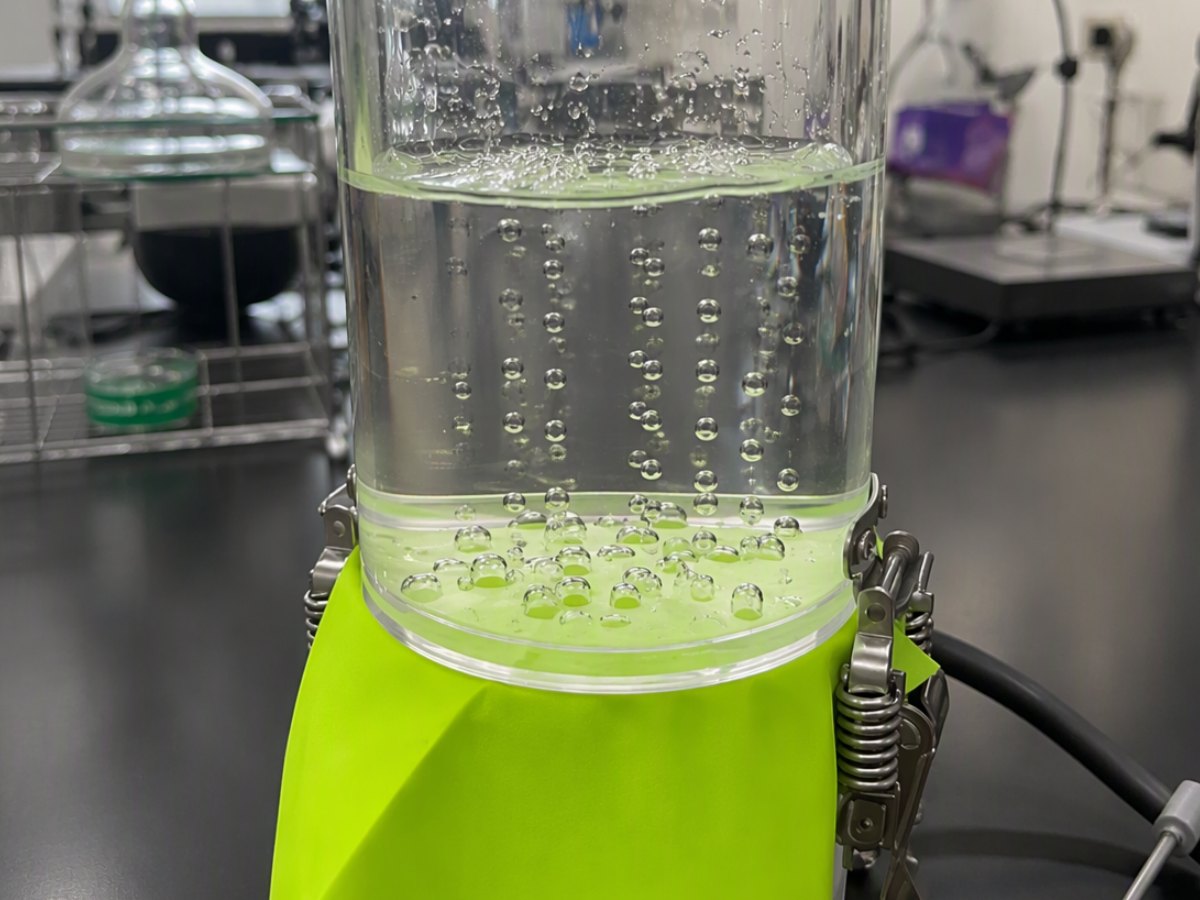
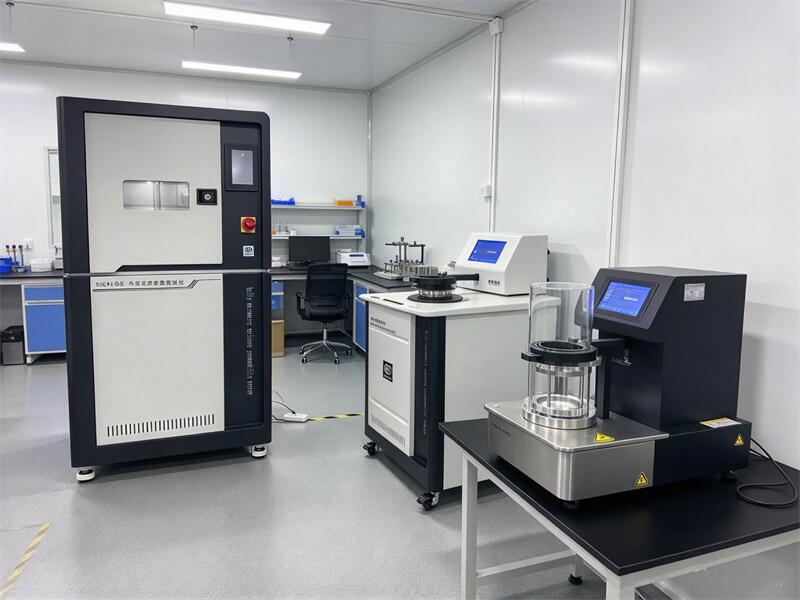
We hold our own hydrostatic-pressure and moisture-permeability testing, so every batch leaves the line measured, not assumed. We do not sell certificates: the release protocol is our in-house test, then the goods go to your designated third-party lab, and bulk ships after your report clears. Test under GB, ASTM, JIS or EN methods — tell us which one your market requires and the sampling is built around it.
Water Pressure, Moisture Permeability & Test Standards
Two numbers decide a laminated fabric: how much water pressure it holds back, and how much vapour it lets escape. Here is how to read them — and where our typical builds sit. (Water-pressure tiers explained: 3000 mm sheds light rain, 5000 mm covers daily outdoor use, 8000–10000 mm takes heavy rain, 15000 mm and up is professional-grade — the full ladder is in our composite fabric guide.)
| Water Pressure Rating | What It Handles | Where We See It Specified |
|---|---|---|
| 3000 mmH₂O | Light rain, splashes, daily commute | Value shells, liners, spring jackets |
| 5000 mmH₂O | Moderate rain, all-day outdoor wear | Outdoor jackets, workwear, school wear |
| 8000–10000 mmH₂O | Heavy rain, sustained outdoor hiking | Hardshell hiking jackets |
| 15000 mmH₂O and above | Extreme, professional-grade protection | Expedition and technical mountaineering |
The base fabric moves the measured number
Two rolls with the identical membrane can test differently, and the reason is underneath. A warp-knit mesh base supports the membrane evenly under pressure, so measured water pressure stays close to the membrane ceiling and keeps most of it after washing. A fleece base compresses and shifts under load, pulling at the membrane — expect a lower measured value and more attenuation over the wash cycle. We flag this at quotation stage so the fabric you test is the fabric you meant to buy.
Testing without the certificate theatre
We run the hydrostatic and moisture-permeability tests in-house on our own equipment before anything ships. For market entry you will usually need a third-party report — GB/T 32614 for China-market outdoor jackets, EN 343 for the EU, ASTM methods for North America, JIS for Japan. Our workflow assumes it: in-house pass first, then your third-party lab, then release. The full standard-by-standard breakdown is in the lamination guide.
What We Control In-House
| Check | How |
|---|---|
| Hydrostatic pressure | In-house tester, per batch, against your target tier |
| Moisture permeability | In-house MVTR test on finished laminate |
| Bond integrity | Peel check plus wash-cycle check on sample yardage |
| Hand & appearance | Approval sample kept as bulk reference |
| Third-party report | Your designated lab; bulk released on your pass |
Applications & Typical Builds
Most of our laminated fabric volume is outdoor jacket programs, followed by workwear and skiwear. The four profiles below are where the membrane choice and bonding route actually change the product — each card names the build a laminated fabric buyer should ask for.
Hardshell Hiking Jackets
The flagship program. High-permeability TPU or single-component ePTFE behind a durable face, with a mesh base to hold the rating after washing. Built to survive a monsoon week on trail and still breathe on the climb.
Typical build: 3-layer · high-permeability TPU, 8000 mmH₂O / 5000 g reference
Ski & 3-in-1 Snow Programs
Snow sport punishes both water and cold: the laminate needs mid-to-high water pressure, a seam-taping-friendly face, and stable low-temperature hand. Pair naturally with our T800 stretch face fabrics for movement.
Typical build: 3-layer · TPU, 5000–8000 mmH₂O, seam-tape ready
Workwear & Industrial Shells
Industrial laundering is the killer of cheap laminates. PUR hot-melt bonding with a mid-permeability TPU keeps the rating through repeated wash programs, which is why uniform tenders specify it.
Typical build: 3-layer · PUR-bonded TPU, 5000 mmH₂O reference
Lightweight Wind & Rain Shells
Low-permeability builds bonded to lightweight faces with a bird-eye or mesh base — packable jackets, school wear and value outdoor programs where 3000 mm and a clean hand are the brief.
Typical build: 2-layer or 3-layer · low-permeability TPU, 3000 mmH₂O reference
The Two Failures That Ruin Laminate Programs
Almost every laminated fabric complaint we see comes down to two failure modes. Both are process problems with process answers — which is why we put them on the table before you order.
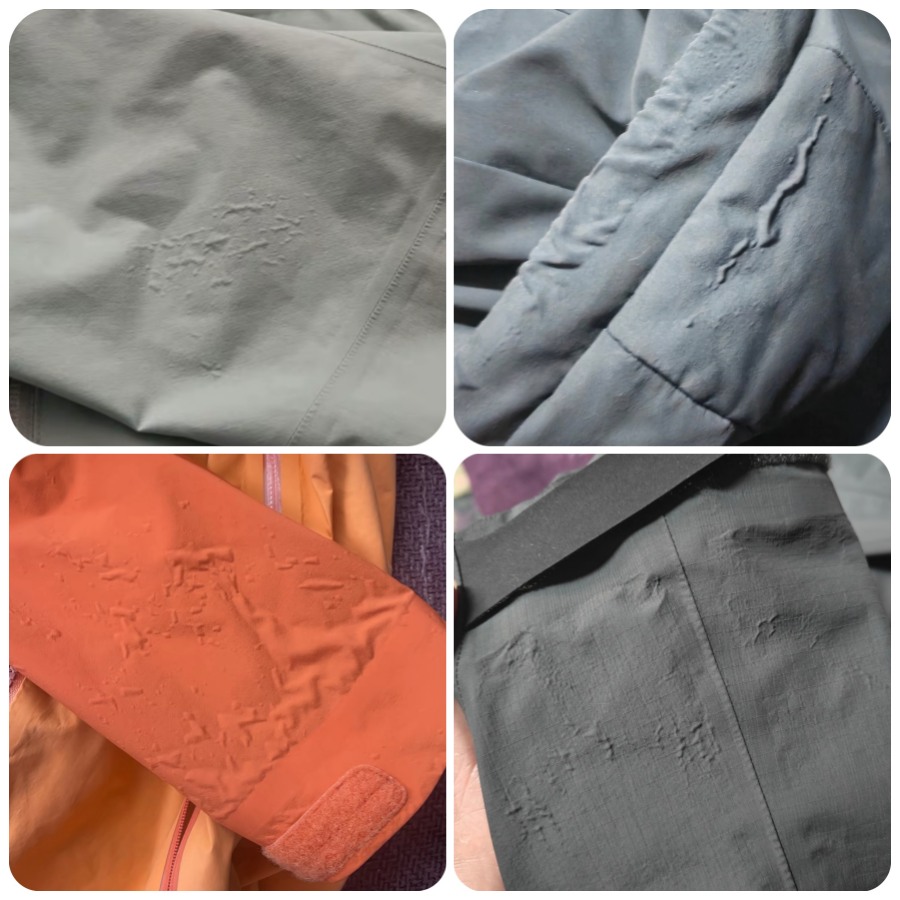
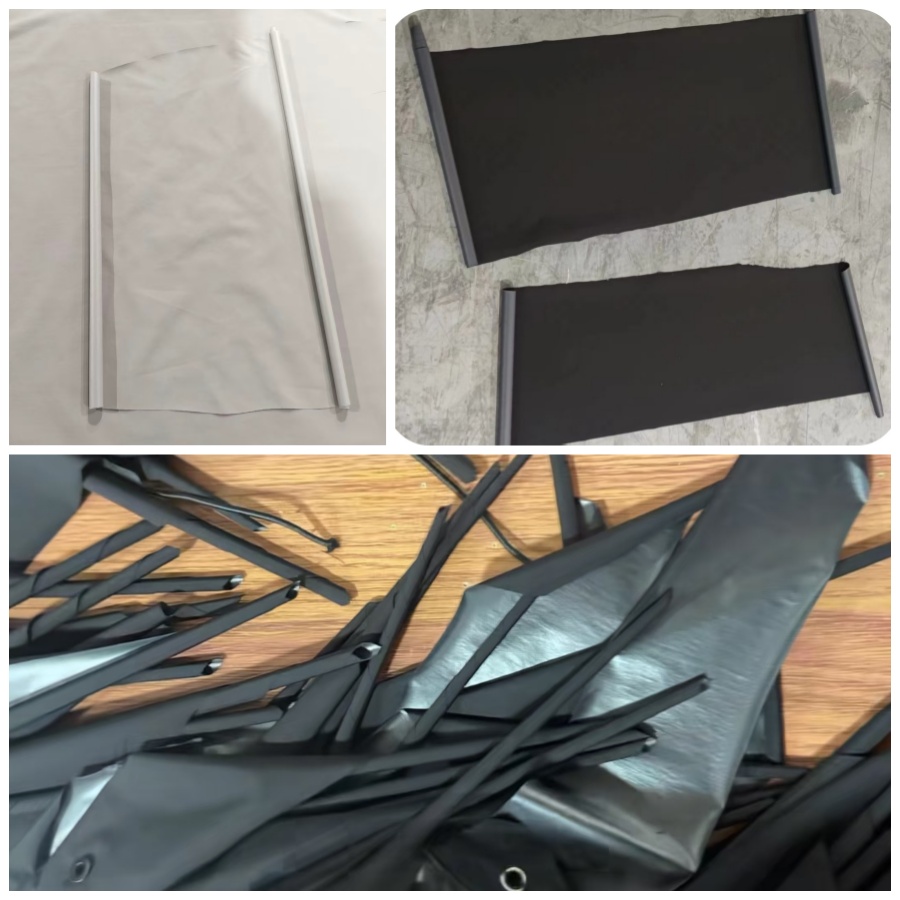
Bubbles and delamination after the first washes
The complaintThe garment passes inspection, then after a few home washes the layers separate — bubbles at the chest, peeling at the seams. Bulk claims, not sample disputes, are where lamination gets expensive.
Why it happensUnder-covered dot adhesive, an under-cured PUR bond or a membrane stressed by the wrong base fabric — the bond that looks fine off the line has no margin left, and the first wash cycles are exactly where that margin runs out.
The roll curls after bonding
The complaintFresh off the lamination line the fabric bows and curls toward one side — the cutting floor cannot lay it flat, markers drift, and panel edges come out off-grain.
Why it happensCurling is a tension mismatch: the face fabric, membrane and base fabric each carry different residual tension and shrinkage through heat and pressing, and the laminate springs toward the tighter layer as it cools.
12 Laminate Recipes Our Clients Keep Reordering
Twelve recipes that run on our bonding line week after week — from a 93 gsm high-breathability pongee to 320 gsm fleece-backed stretch. Weights are measured after lamination. Hover any swatch to zoom into the weave texture.
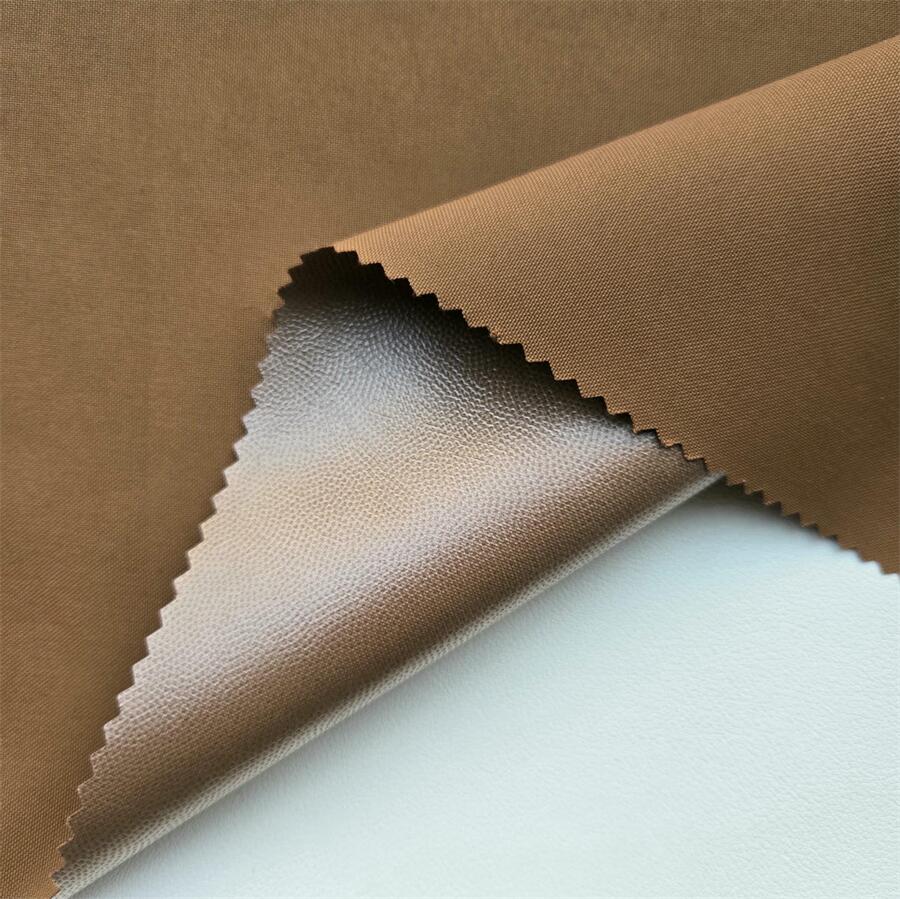
150D Double-Fill Matte Oxford
Mid-perm TPU 0.015 mm · 2-layer
215 gsm · 5,000 mmH₂O · 3,000 g/m²/24h
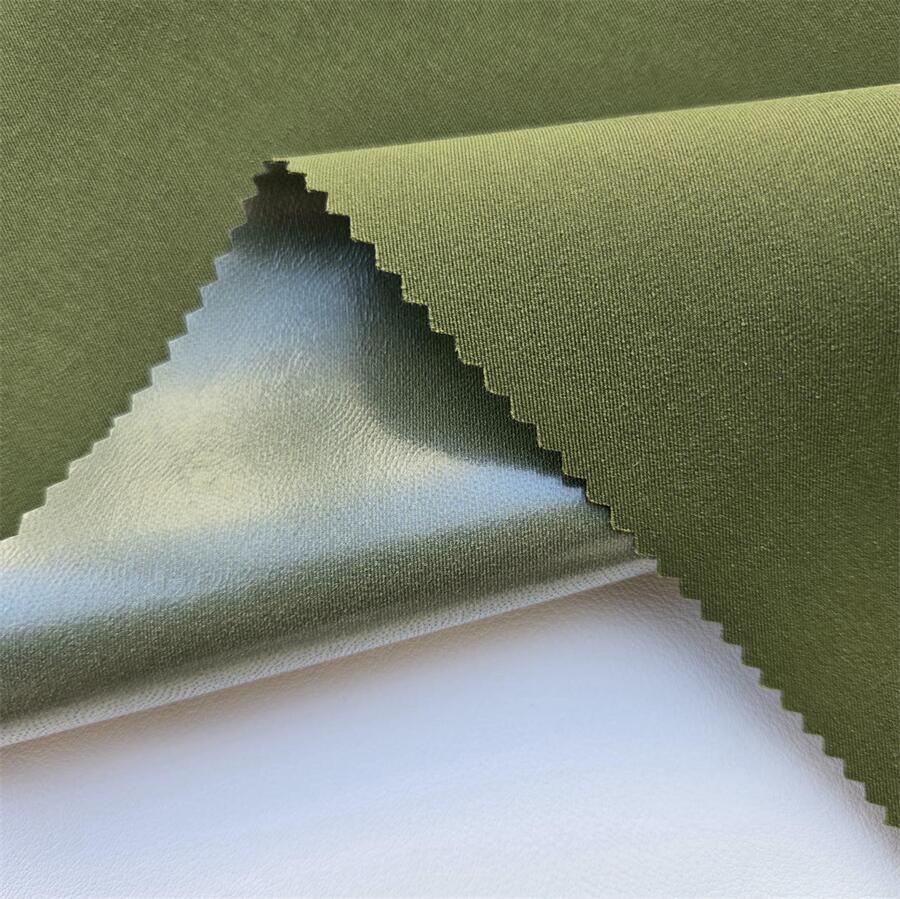
Cotton-Touch T400 Twill
Mid-perm TPU 0.02 mm · 2-layer
217 gsm · 8,000 mmH₂O · 3,000 g/m²/24h
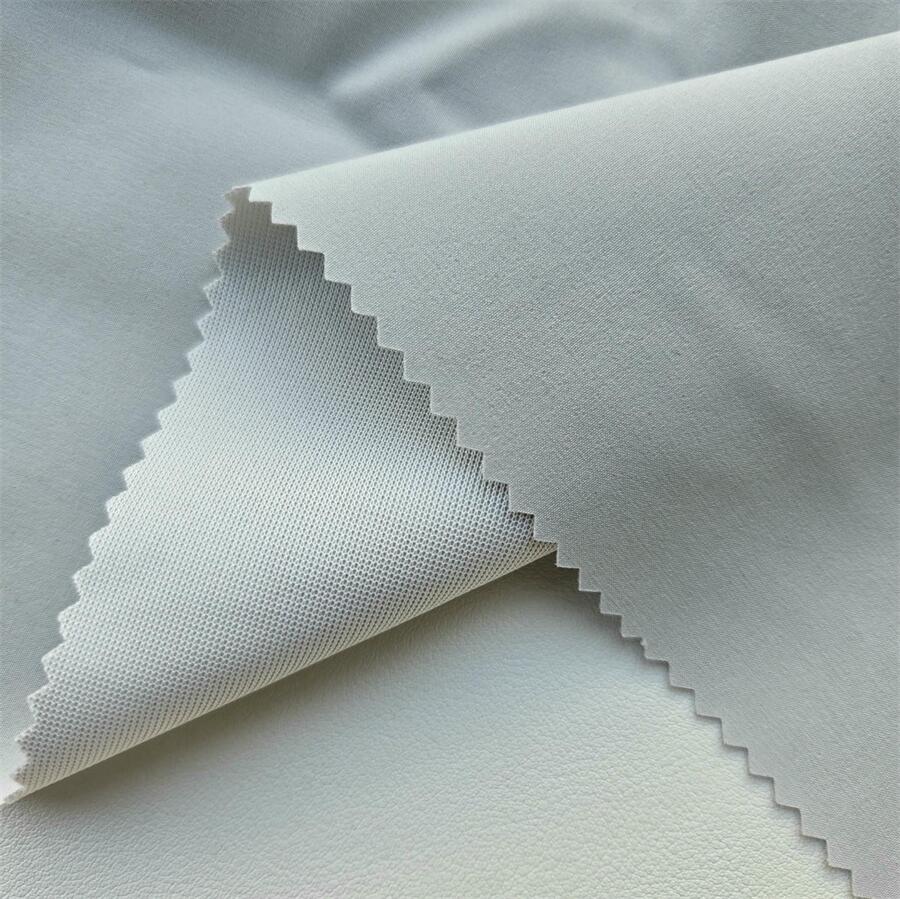
70D Nylon 4-Way Stretch
Low-perm TPU 0.008 mm + 30D white tricot · 3-layer
221 gsm · 3,000 mmH₂O · 1,000 g/m²/24h
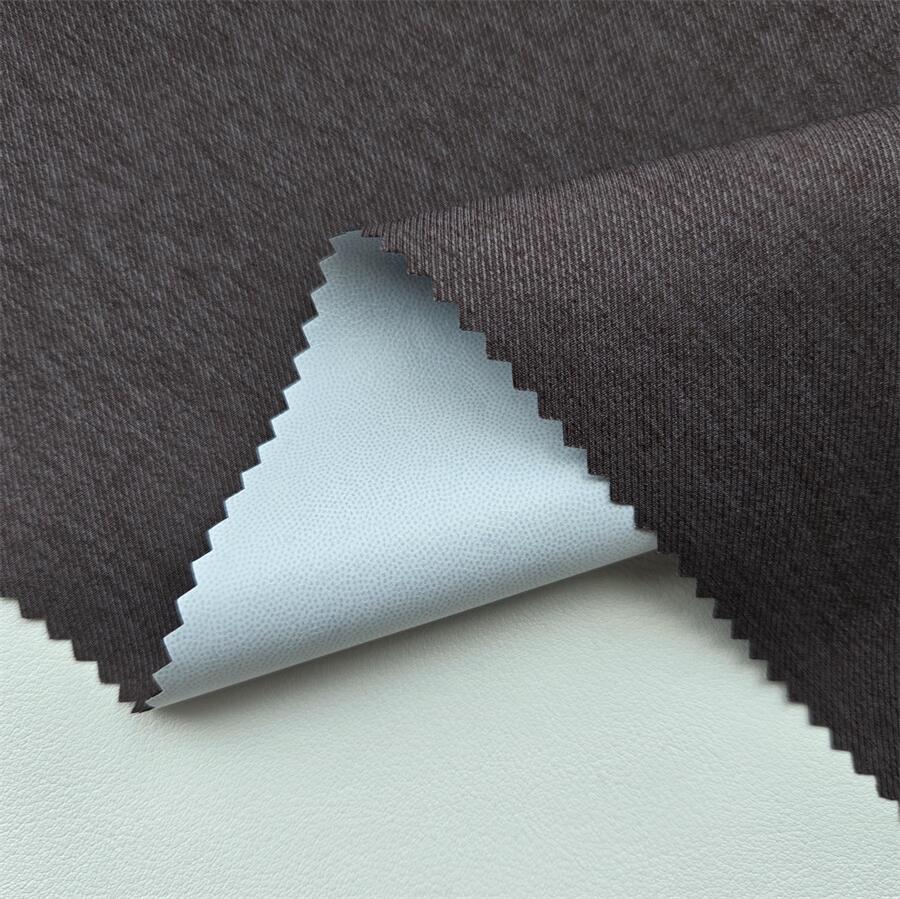
Cationic Gabardine
Low-perm white TPU 0.012 mm · 2-layer
146 gsm · 5,000 mmH₂O · 1,000 g/m²/24h
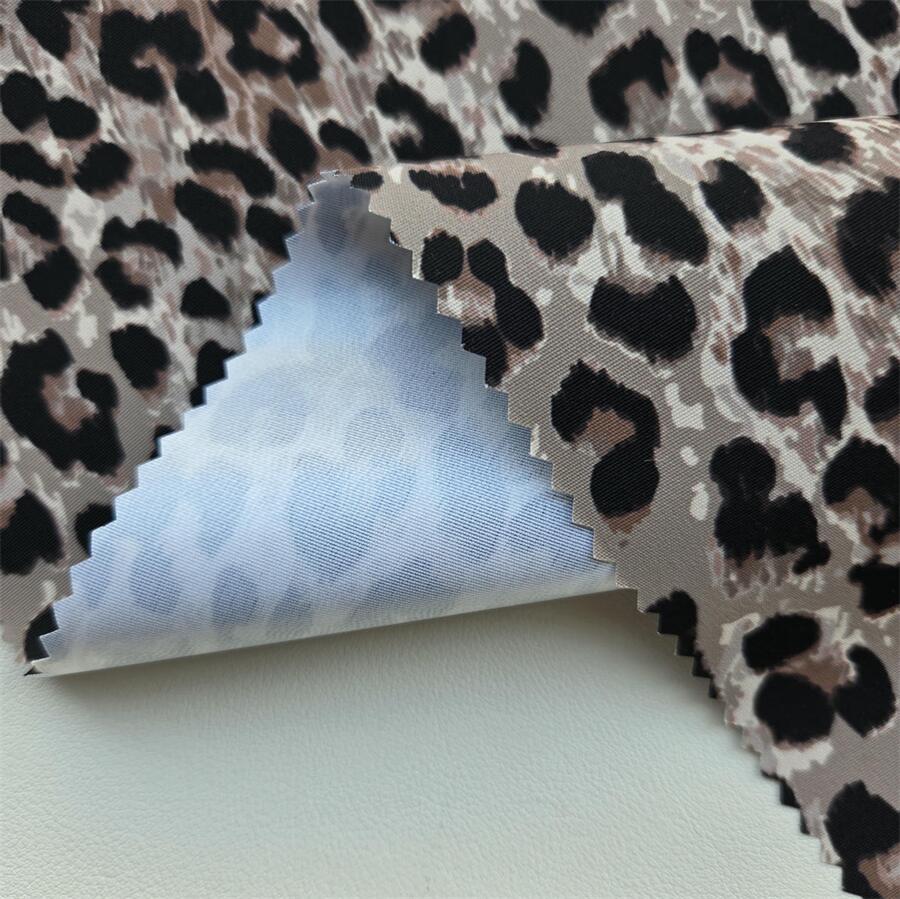
320D Printed Taslan
Mid-perm TPU 0.018 mm · 2-layer
171 gsm · 8,000 mmH₂O · 3,000 g/m²/24h
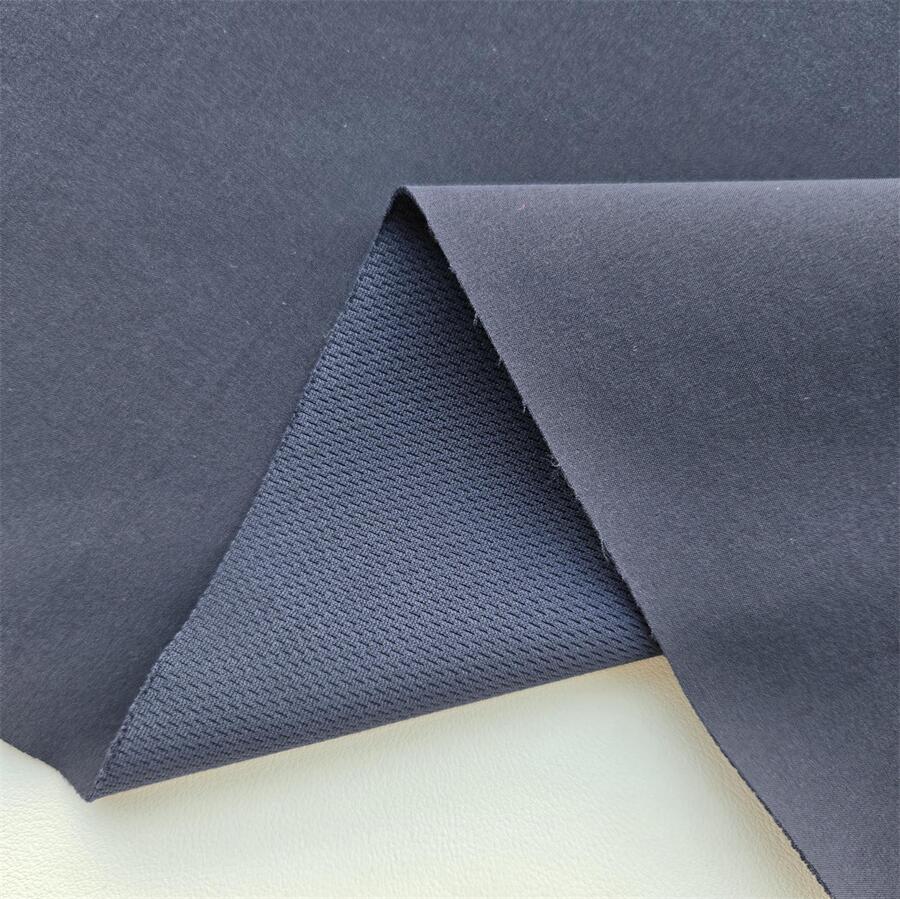
75D Polyester 4-Way Stretch
Low-perm TPU 0.012 mm + bird’s-eye knit · 3-layer
311 gsm · 4,000 mmH₂O · 1,000 g/m²/24h
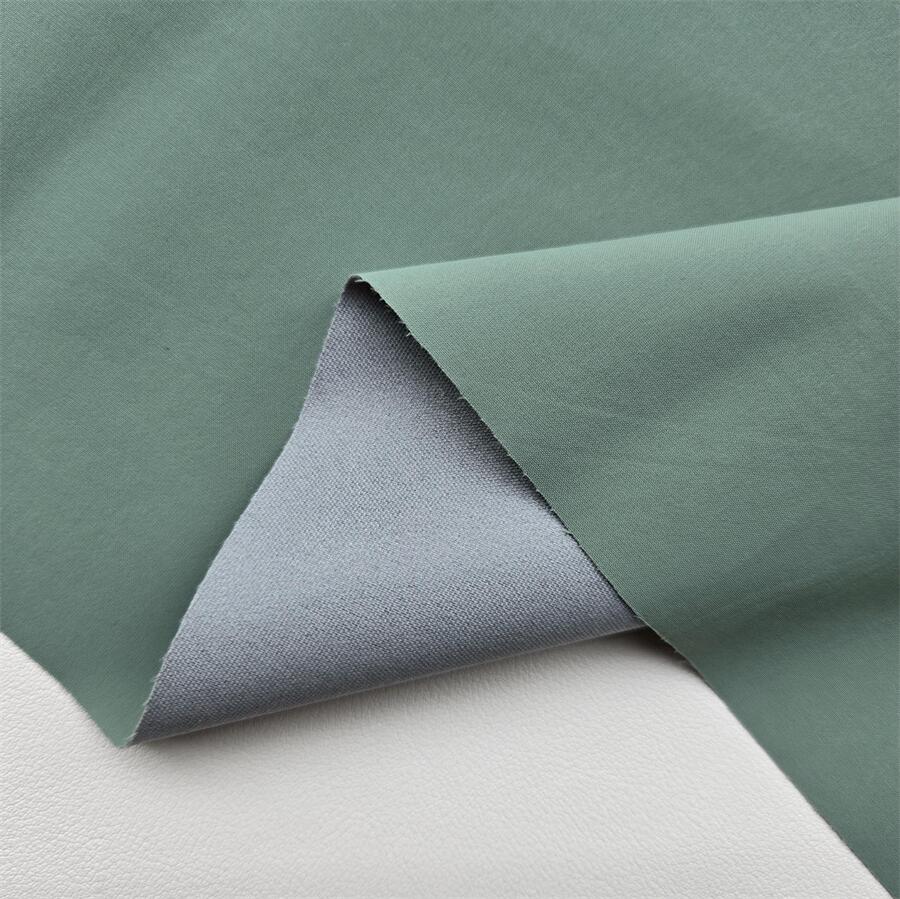
70D Twisted Filament Nylon 4-Way Stretch
Low-perm TPU 0.008 mm + 30D floating yarn · 3-layer
178 gsm · 5,000 mmH₂O · 1,000 g/m²/24h
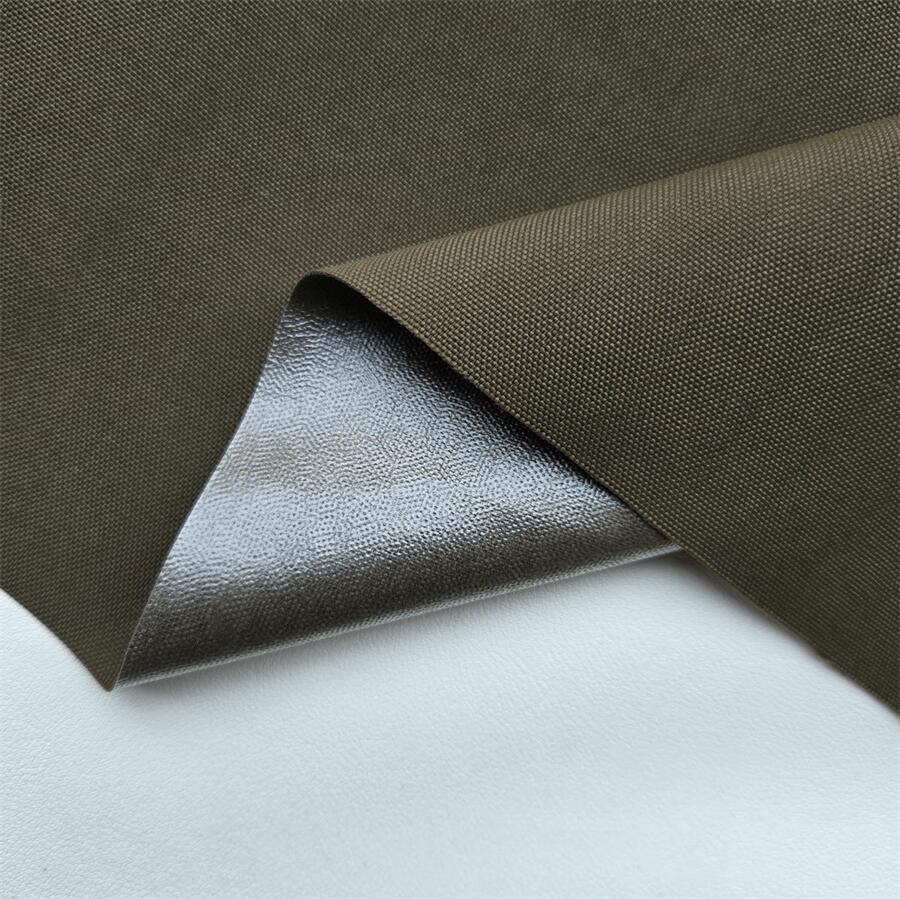
500D Nylon Taslan Oxford
High-perm TPU 0.02 mm · 2-layer
233 gsm · 10,000 mmH₂O · 10,000 g/m²/24h
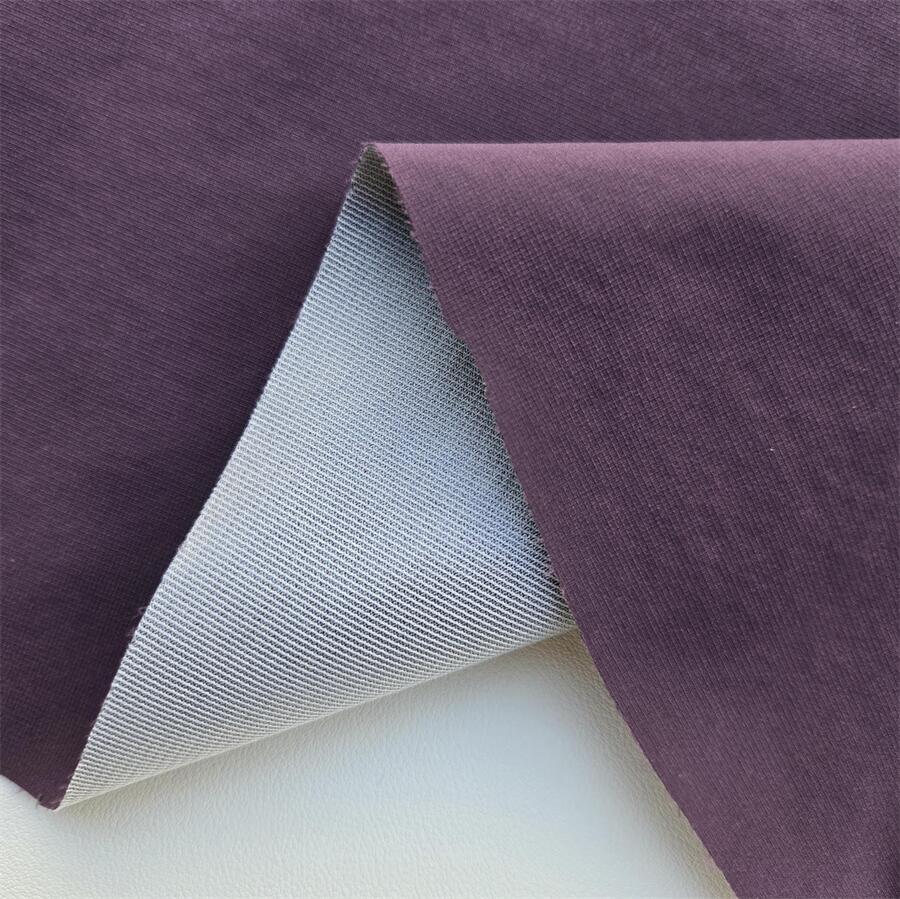
100D Checked 4-Way Stretch
Low-perm TPU 0.008 mm + 30D white tricot · 3-layer
168 gsm · 5,000 mmH₂O · 1,000 g/m²/24h
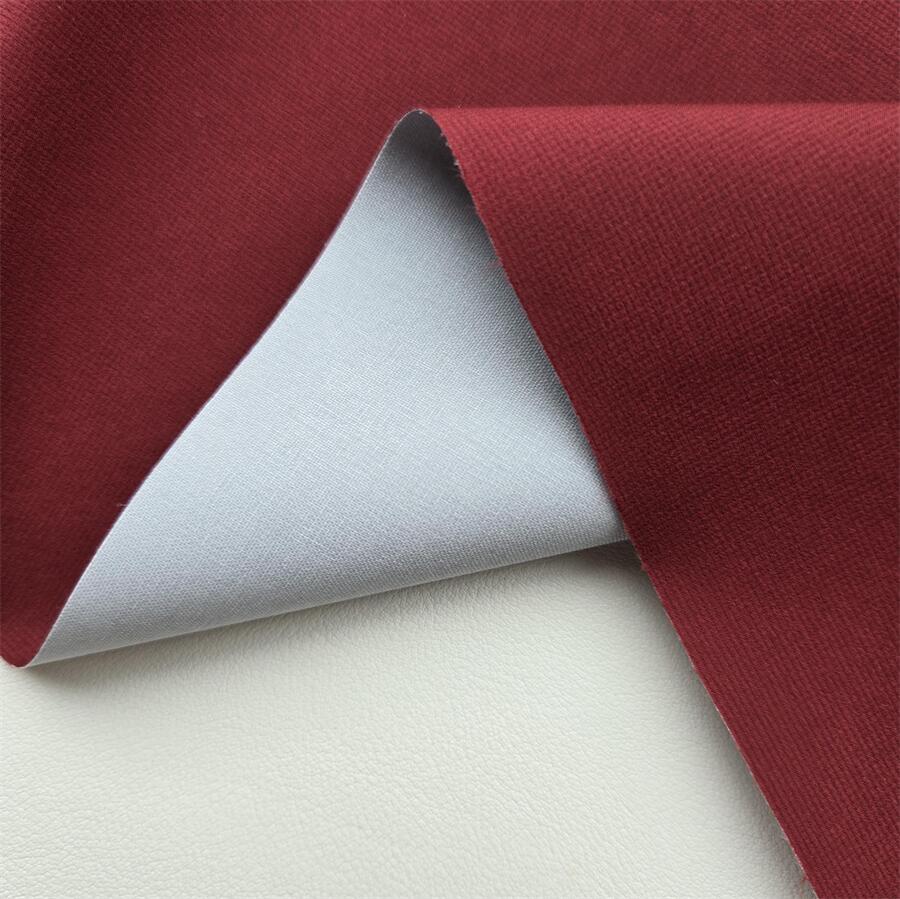
30D Checked High-Stretch Pongee
High-perm white TPU 0.02 mm + grey floating yarn · 2-layer
93 gsm · 15,000 mmH₂O · 7,000 g/m²/24h
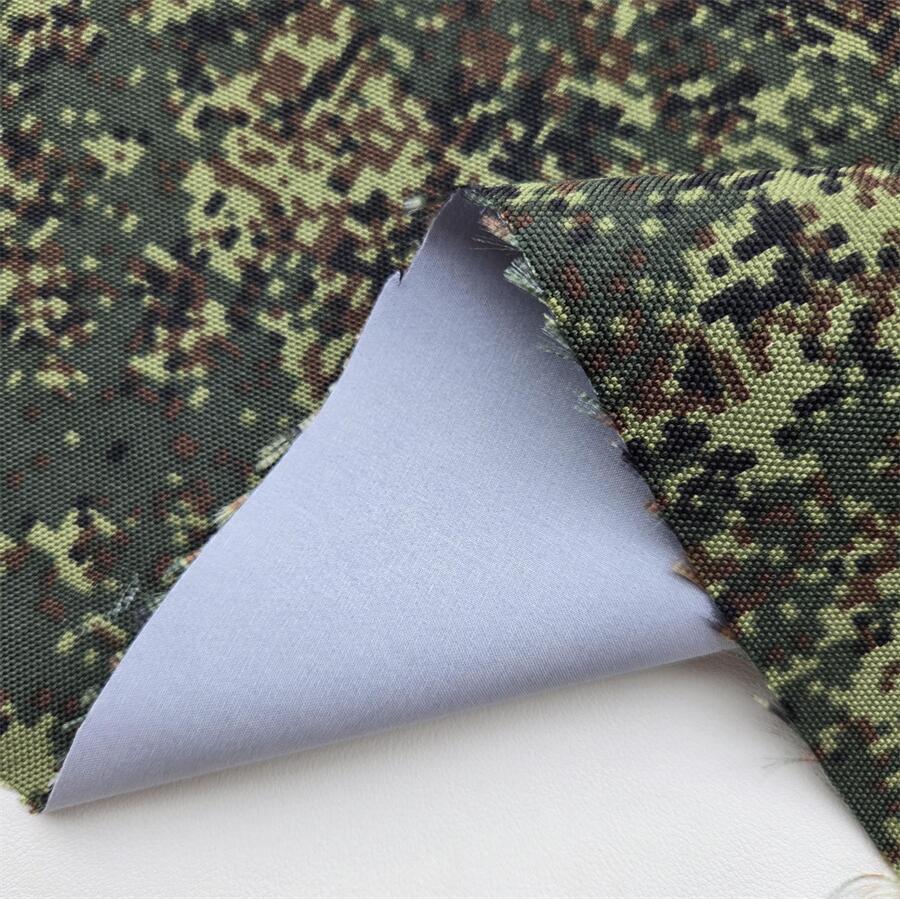
600D Camo-Print Oxford
ePTFE + grey floating yarn · 3-layer
312 gsm · 5,000 mmH₂O · 5,000 g/m²/24h
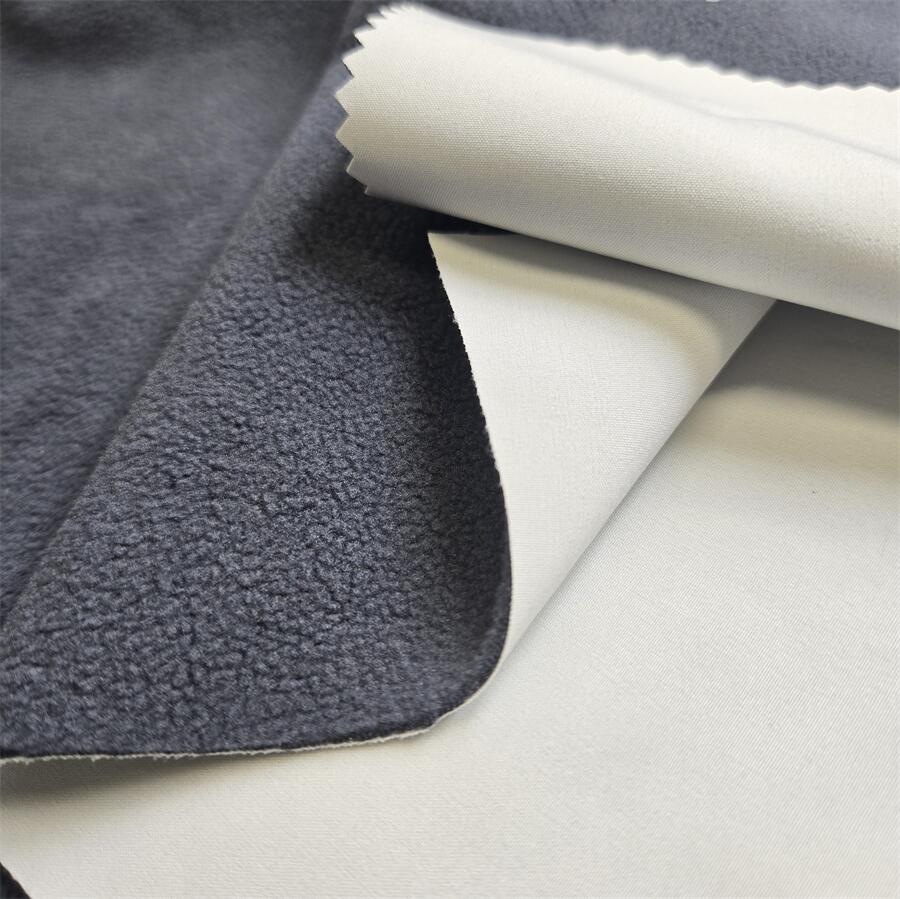
100D 4-Way Stretch
Low-perm TPU 0.008 mm + polar fleece · 3-layer
320 gsm · 3,000 mmH₂O · 500 g/m²/24h
Laminated Fabric — Questions We Get Weekly
What is laminated fabric and how is it made?
Laminated fabric bonds two or more layers — face fabric, functional membrane, and optionally a base fabric — into one material through adhesive and hot-press lamination. The membrane carries the waterproof and moisture-permeable function; the fabric layers carry the look, durability and skin feel. The full structure and membrane science are in our lamination fabric guide.
TPU vs ePTFE membrane: which should I choose?
Choose TPU for volume programs: lower cost, three film colours, and reference builds from 3000 mm / 500 g up to 8000 mm / 5000 g — but it passes vapour only, no air. Choose ePTFE when true air permeability is required: white membrane, single-component for maximum breathability (must be kept away from oils) or double-component when oil resistance matters. Tell us the end use and target rating and we will recommend the family.
What waterproof and moisture-permeability ratings can you reach?
Our typical TPU pairings are 3000 mmH₂O with 500 g/m²·24h, 5000 with 3000, and 8000 with 5000. These are references, not ceilings — the final numbers depend on your base fabric density and the film thickness selected between 0.008 mm and 0.025 mm, and we adjust by sampling until the measurement lands on your spec.
Is air permeability the same as moisture permeability?
No, and mixing them up causes wrong purchases. Moisture permeability moves water vapour through the membrane by diffusion — every waterproof breathable fabric has it in some grade. Air permeability lets air flow directly through the fabric — only microporous membranes like ePTFE provide it. If your standard tests air permeability, that requirement points to ePTFE, not TPU.
Can you laminate fabric I supply, or do you provide the base fabric too?
Both. Most programs start from our own woven range — T400/T800 mechanical stretch, polyester and nylon 4-way stretch, oxford and taslan shells — with mesh, tricot and fleece options for the inner layer. If you have your own base fabric, ship it to us and we run the bonding, testing and finishing on top.
Will laminated fabric bubble or delaminate after washing?
Not when the bonding has margin. Delamination traces back to under-covered adhesive, an under-cured bond or a membrane stressed by the wrong base fabric. We control adhesive dosage per article, verify with peel and wash-cycle checks before bulk, wash-test every batch, and route industrial-laundering programs to PUR hot-melt bonding specifically.
Why does laminated fabric curl after bonding — and how do you prevent it?
Curling is residual tension mismatch: each layer shrinks differently through heat and pressing, and the laminate springs toward the tighter layer. We balance layer tension at the machine per fabric combination, set bonding temperature to the face fabric’s window, and relax and flatness-check every roll before it ships.
How does sampling work — can you match my test standard?
Send the end use, target water pressure and moisture permeability, and the standard you test under (GB, ASTM, JIS or EN). We select a membrane by experience, laminate and test in-house, adjust film thickness if the first sample falls short or overshoots, and courier approval yardage. After your approval, bulk runs to the same recipe and releases after your third-party report passes.