Understanding GRS Fabrics: Certification, Industry Status and Practical Guidelines
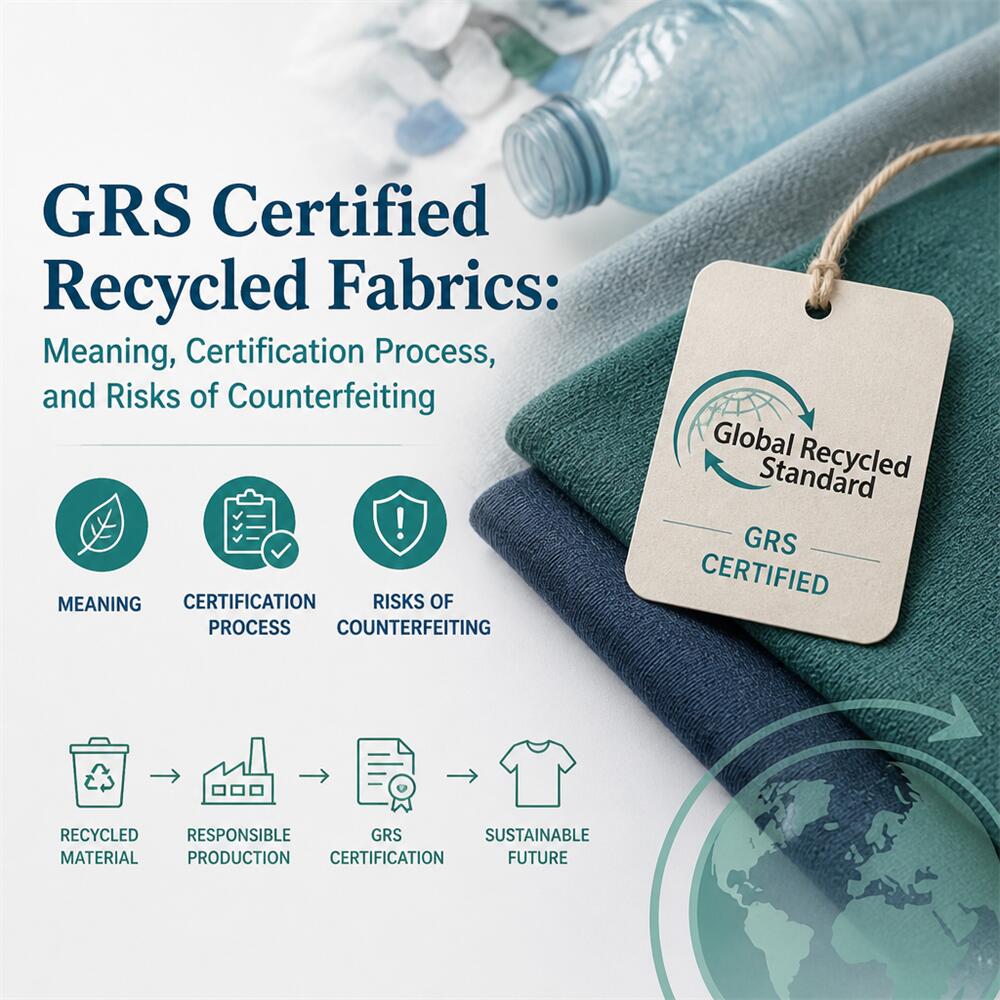
As sustainable fashion sweeps across the global market, the GRS (Global Recycled Standard) certification has become one of the most important “green passports” in the textile industry. More than just a certification label, GRS represents a full-chain traceability system covering everything from material recycling to finished garments. Many fabric purchasers and foreign trade practitioners are familiar with the term GRS, yet they cannot clearly distinguish its definition, certification procedures, industry pain points and practical application boundaries, nor can they screen reliable GRS certified fabric and qualified recycled fabric supplier partners. This article comprehensively explains GRS fabrics based on basic concepts, certification processes, industry challenges and frequently asked practical questions, with a final summary for clear reference.
PS: If you are currently sourcing GRS fabrics, please do not skip Chapter Six — it is extremely critical.
1. What Is GRS Fabric and Its Recycling & Reproduction Process
1.1 Definition of GRS Fabric
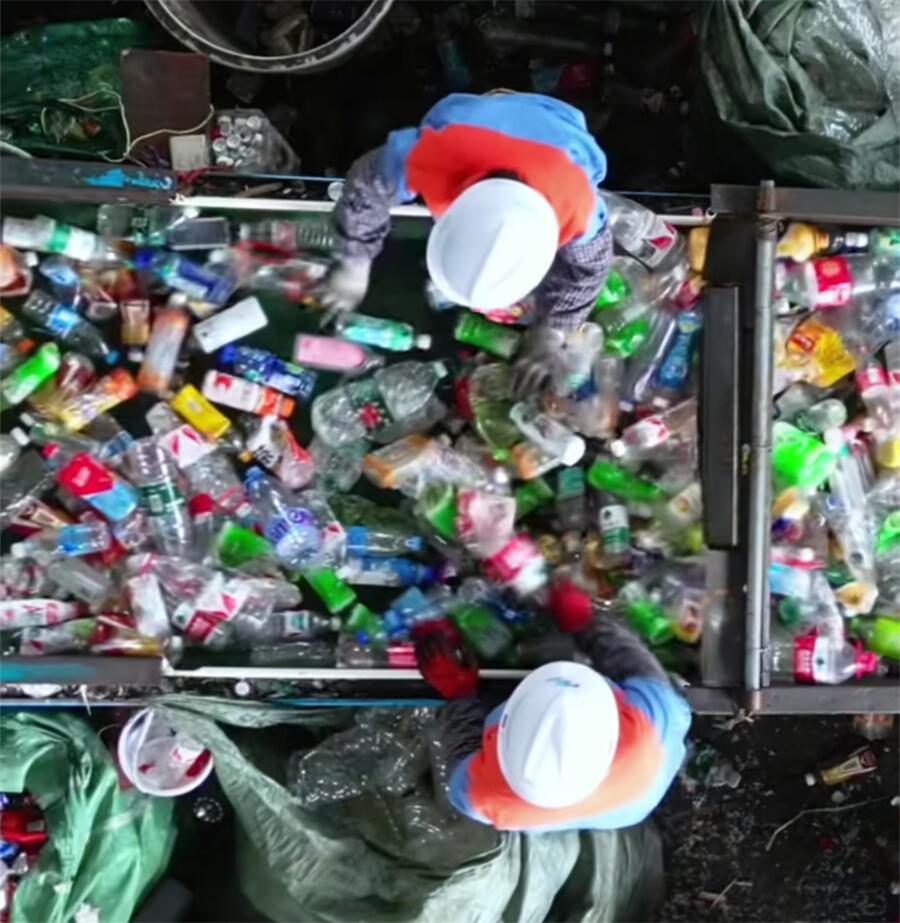
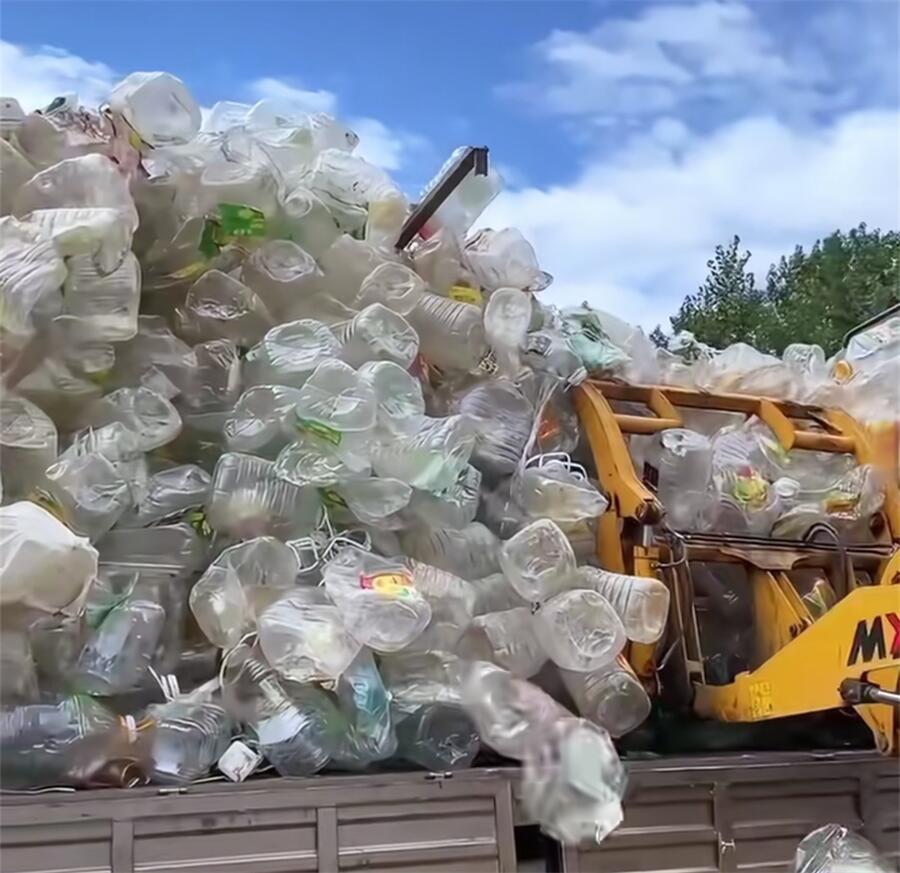
GRS stands for the Global Recycled Standard. GRS certified fabric refers to eco-friendly textile materials produced with GRS-certified recycled fibers. Made primarily from post-consumer recycled waste such as waste PET plastic bottles and discarded textiles, or qualified pre-consumer industrial leftover materials, GRS fabrics are manufactured under standardized full-process production and verified by authoritative third-party certification bodies.
GRS is far more than a simple test for recycled content proportion. The complete standard covers five core modules: recycled material ratio, full supply chain traceability, chemical management, labor social responsibility and environmental control.
- Basic certification threshold: Products with recycled material weight ≥20% are eligible for GRS certification and can be officially defined as standard GRS certified fabric. However, only fabrics with recycled content ≥50% are allowed to print official GRS logos for external branding and hangers.
- Two types of recycled raw materials: Post-consumer recycled (PCR) materials refer to waste discarded by end consumers, such as plastic bottles and second-hand garments, which enjoy higher recognition among overseas brands. Pre-consumer recycled (PIR) materials refer to industrial leftover fabrics and waste yarns generated during production.
1.2 GRS Fabric Recycling & Production Process (Taking Recycled PET Polyester as an Example)
- Material Collection: Gather post-consumer PET plastic bottles or industrial polyester waste materials.
- Sorting and Cleaning: Remove caps, labels and impurities, then conduct high-temperature cleaning.
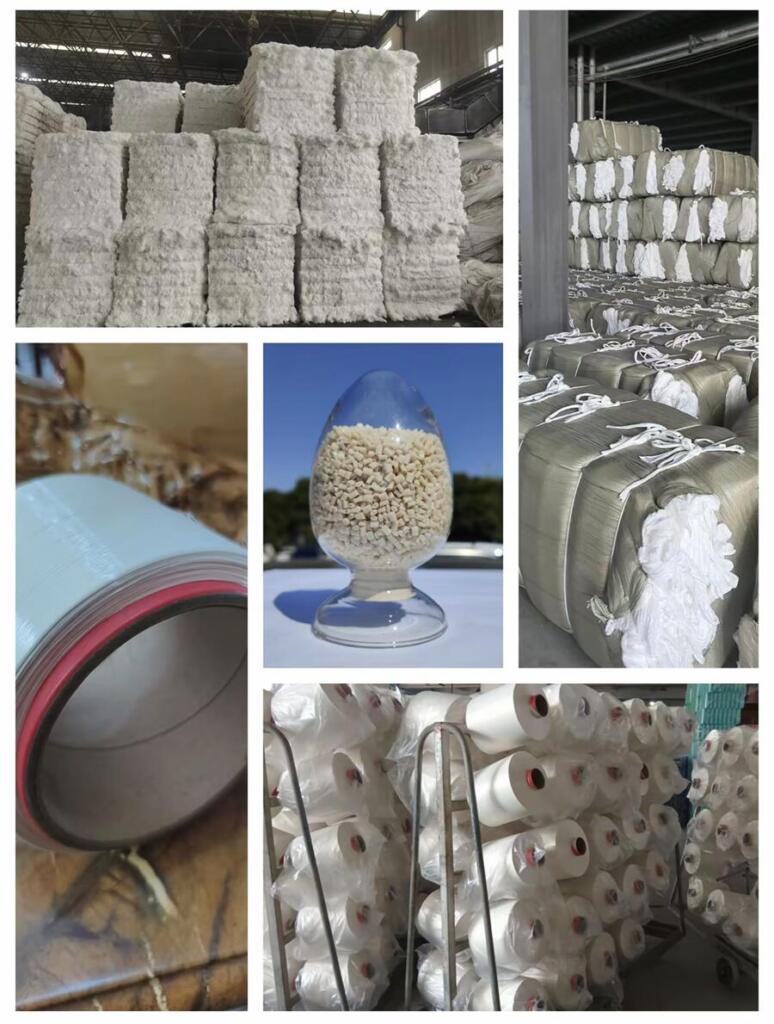
- Crushing and Pelletizing: Crush cleaned materials into PET flakes, then melt and extrude them into recycled PET chips.
- Yarn Spinning: Melt recycled PET chips and spin them into recycled polyester yarns.
- Fabric Weaving: Use recycled yarns to weave GRS grey fabrics.
- Dyeing and Finishing: Complete dyeing, setting and post-finishing to produce finished GRS fabrics.
Key Rule: Every time material ownership is transferred through sales, the upstream recycled fabric supplier must issue a TC (Transaction Certificate) to the downstream buyer to ensure full-chain traceability of every GRS certified fabric batch.
2. Origin and Core Purposes of GRS Standards
2.1 Who Promotes and Advocates GRS
The GRS standard is developed and maintained by Textile Exchange, an international non-profit organization. It authorizes global third-party institutions to conduct factory audits and issue certifications. With rising demands for sustainable supply chains from European and American brands as well as global retail platforms, GRS certified fabric has become a mandatory supply standard, pushing every professional recycled fabric supplier to standardize their production systems.
2.2 Core Purposes of Implementing GRS
- Reduce the consumption of petroleum-based virgin chemical fibers, digest plastic waste and lower the carbon footprint of textile products.
- Establish unified evaluation criteria for recycled materials and curb industry “greenwashing” behaviors.
- Regulate not only recycled raw materials but also factory chemical usage, wastewater treatment and labor rights, preventing the problematic model of “eco-friendly materials with poor production conditions”.
- Build a complete supply chain traceability system via TC certificates to record GRS certified fabric material flow and support brand reverse verification and auditing for every qualified recycled fabric supplier.
3. International Brands Adopting GRS Fabrics & Future Industry Trends
3.1 International Apparel Brands Using GRS Fabrics
Most brands do not apply GRS to all product lines. GRS requirements are mainly applied to sustainable product series, where professional recycled fabric supplier must provide complete TC transaction certificates to prove the authenticity of their GRS certified fabric.
- Outdoor Functional Brands: Patagonia, The North Face, Arc’teryx, Mountain Hardwear
- Sports Apparel Brands: Adidas Primegreen / Parley Series, Nike, Allbirds
- Fast Fashion & Large Retail Brands: ZARA (Inditex JoinLife Series), H&M (Conscious Series), UNIQLO, GAP, C&A
- Luxury Sustainable Fashion Brands: Stella McCartney, GANNI, Reformation, Eileen Fisher
- E-commerce & Retail Platforms: Amazon Climate Friendly Commitment Label, Target private apparel lines
- Other Industries: Unilever, Starbucks, BMW and Mercedes-Benz also commit to using recycled materials in packaging and interior accessories.
3.2 Future Development Trends of GRS Fabrics
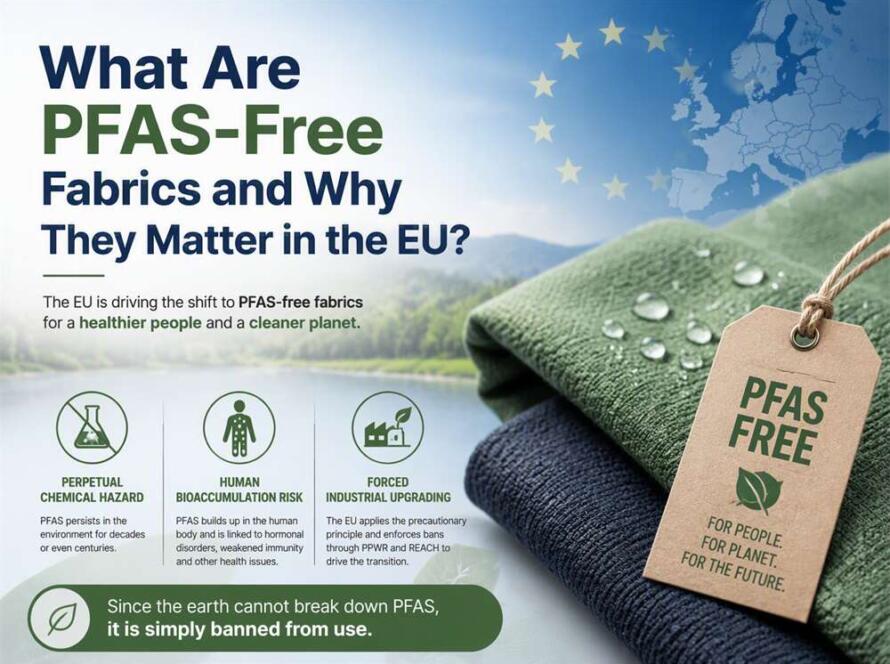
- European and American brands continue to raise the proportion of recycled materials in their products. GRS is gradually becoming a basic market entry threshold for EU and US orders. Many orders now require dual compliance: GRS recycled certification + PFAS-Free standard.
- Standards keep iterating. The current GRS 4.0 will gradually transition to the new MMS standard, with stricter requirements for traceability and chemical control.
- Market segmentation intensifies. Premium overseas brands prefer PCR post-consumer recycled materials, while the premium of pre-consumer recycled materials is gradually declining.
- Overseas supervision is cracking down on false green claims. Goods with only SC certificates but no matching TC certificates face increasing difficulties in order acceptance, and such unqualified GRS certified fabric will be rejected by mainstream brands and formal recycled fabric supplier procurement systems.
- Chemical fiber production technologies are continuously upgraded, narrowing the performance gap between recycled yarns and virgin yarns.
- The future direction is clear: GRS has shifted from a competitive advantage to a mandatory industry entry ticket. As global regulations on plastic pollution and carbon emissions become stricter, brands keep raising their recycled material usage targets, forcing the entire textile supply chain to transform and upgrade.
4. GRS Certification Procedures for Factories
The GRS system includes two core certificates with completely different functions: SC (Scope Certificate) and TC (Transaction Certificate). The SC certificate proves that a factory is qualified to produce GRS products and manufacture standard GRS certified fabric, but it cannot certify that a specific batch of goods is GRS-compliant, which is a key judgment standard for formal recycled fabric supplier screening.
- Submit certification applications to Textile Exchange authorized third-party institutions (CU, SGS, Intertek, BV, etc.).
- Establish standardized internal management: physically separate recycled materials and virgin materials, complete inbound and outbound ledgers, material balance reports, chemical control documents and labor social responsibility records.
- Complete document review and on-site factory audit covering workshops, warehouses, production records, environmental protection and labor conditions.
- Rectify non-conformities and obtain the officialSC Scope Certificate, valid for 12 months with mandatory annual surveillance audits.
Practical Key Point: If production involves outsourced dyeing, finishing or sewing processes, the outsourced factories must also hold valid GRS-SC certificates and be declared to the certification body; otherwise, TC certificates cannot be issued, and the finished products cannot be recognized as valid GRS certified fabric by brand buyers and recycled fabric supplier partners.
5. TC Certificate Issuance Process for GRS Fabrics
The TC (Transaction Certificate) is the exclusive batch-level ID proving that a specific shipment is genuine GRS material. Unlike the factory-level SC certificate, a new TC must be issued for every single transaction. The certificate is passed from upstream to downstream, and any broken chain will invalidate the GRS qualification of the goods, making the batch unable to be sold as formal GRS certified fabric by any qualified recycled fabric supplier.
5.1 Preconditions for TC Application
- The seller holds a valid SC certificate covering the corresponding product category.
- Upstream recycled raw materials are supported by complete upstream TC certificates.
- If the buyer is a processing factory, it must also hold a valid SC certificate (end brands and end consumers are exempted).
- The finished product contains ≥20% recycled content, which is the basic standard to define a qualified GRS certified fabric for recycled fabric supplier delivery.
5.2 Complete TC Application Process
- Prepare complete documents before shipment: upstream TC certificates, purchase contracts, invoices, packing lists and material balance sheets (raw material input weight, finished product output and production loss).
- Log in to the official online TC system of the certification institution.
- Fill in buyer and seller information, product name, recycled content ratio, weight, invoice number and shipment date.
- Upload all supporting documents for official review.
- After document verification and material balance confirmation, the institution issues the official electronic TC certificate to the downstream buyer, completing the compliant delivery process of standard GRS certified fabric for recycled fabric supplier.
Time Deadline: All TC applications must be submitted within 6 months after shipment. No retroactive application is allowed after expiration.
6. Realistic Industry Challenges Facing GRS Fabrics
6.1 Market Counterfeiting and Supervision Loopholes
Counterfeiting is prevalent in the current GRS fabric industry. Many unregulated suppliers take advantage of industry loopholes, using low-cost virgin yarns to fake recycled yarns and falsely labeling ordinary fabrics as qualified GRS certified fabric, disrupting the market order of formal recycled fabric supplier.
The core incentive for counterfeiting is the huge price gap: genuine recycled yarns are much more expensive than virgin yarns, driving many enterprises to conduct false recycled material promotion for economic benefits.
Meanwhile, GRS supervision has obvious limitations. Certification bodies only conduct document-based audits led by factory ledgers and material balance data to verify factory qualification systems. They cannot perform physical testing or full-process supervision on every batch of circulating fabrics, which further indulges industry counterfeiting behaviors.
6.2 Lack of Effective Physical Testing Methods
Currently, there is no mature laboratory testing method that can directly distinguish virgin PET yarns from recycled PET yarns through fabric sample inspection. The authenticity of recycled materials purely relies on complete supply chain document traceability.
6.3 Inherent Quality Defects of Genuine Recycled Yarns
After secondary recycling and reprocessing, the polymer molecular chains of plastic materials are broken, causing inherent production drawbacks:
- Recycled yarns feature poorer fiber uniformity compared with virgin yarns, resulting in higher end breakage rates and yarn brittle fracture rates during weaving, which leads to higher production loss.
- Recycled fibers have uneven crystallinity, causing unstable color absorption during dyeing. This easily leads to uneven coloring, color difference and horizontal barreling defects.
- These inherent defects of genuine GRS certified fabric make it difficult to meet the strict color and quality standards required by high-end brand purchasers, posing technical challenges for professional recycled fabric supplier.
7. Frequently Asked Practical Questions About GRS Fabrics
Q1: If I purchase genuine GRS fabrics and process them in a non-GRS qualified garment factory, can the finished garments still be sold as GRS eco-recycled products?
No. GRS rules require all processing links in the entire supply chain to hold valid SC certificates. If the garment factory has no GRS qualification, the supply chain traceability chain is completely broken. The finished garments cannot be promoted as GRS recycled products, cannot use GRS logos, cannot obtain finished-product TC certificates, and will be disqualified from GRS certified fabric product certification by brand recycled fabric supplier audit systems. To produce compliant GRS garments, the sewing factory must obtain a GRS-SC certificate and declare outsourced processing relationships to the certification body in advance.
Q2: Why does the TC certificate only show recycled polyester for 92% polyester + 8% spandex blended fabric, with no recycled spandex listed?
Recycled spandex technology is not yet mature or commercially mass-produced. Almost all spandex used in current fabrics is virgin spandex. TC certificates only record practically applied recycled components, so only recycled polyester is displayed while virgin spandex is excluded from recycled content statistics. For this 92/8 blended fabric, the recycled ratio reaches 92%, which meets the 20% basic certification threshold. To use official GRS logos, the total recycled content must reach 50% or above.
Q3: Can fabrics claimed as recycled by sellers be sold as GRS recycled products without TC certificates?
No. An SC factory certificate only proves that the factory has the capability to produce GRS products. The TC certificate is the exclusive qualification proof for a specific batch of goods. Without a matching TC certificate, the batch cannot be defined as standard GRS certified fabric, cannot be promoted as recycled materials, and cannot use GRS logos, which is the core inspection rule for reliable recycled fabric supplier cooperation. European and American brands as well as Amazon platforms do not recognize GRS fabrics without TC certificates, which carries high risks of being judged as false greenwashing publicity.
Conclusion
GRS is not a simple fabric test report, but a complete supply chain system covering raw materials, production, chemical management, labor protection and full traceability. An SC certificate is only the industry entry qualification, while batch-by-batch TC transaction certificates are the core valid credentials for circulating qualified GRS certified fabric and the core assessment basis for formal recycled fabric supplier cooperation.
GRS certification provides operable frameworks and credible traceability tools for the textile circular economy with undeniable industry value. However, there is still a long way to go from “document compliance” to “real environmental protection”. The industry needs continuous upgrades in testing technology, recycled material production processes and supervision transparency. For enterprises and purchasers, mastering the core status and limitations of TC certificates is the first step to making compliant and responsible sourcing decisions.